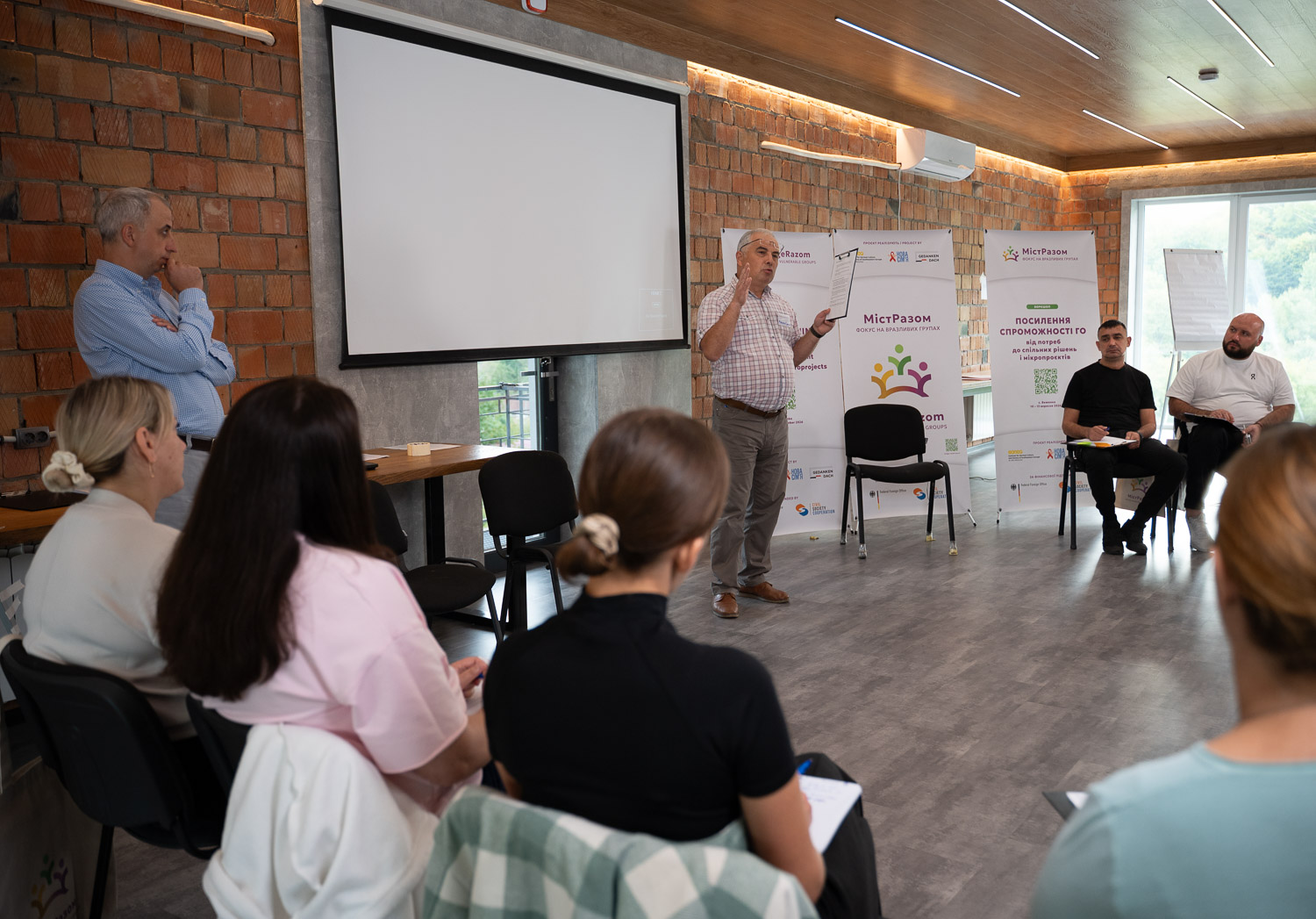
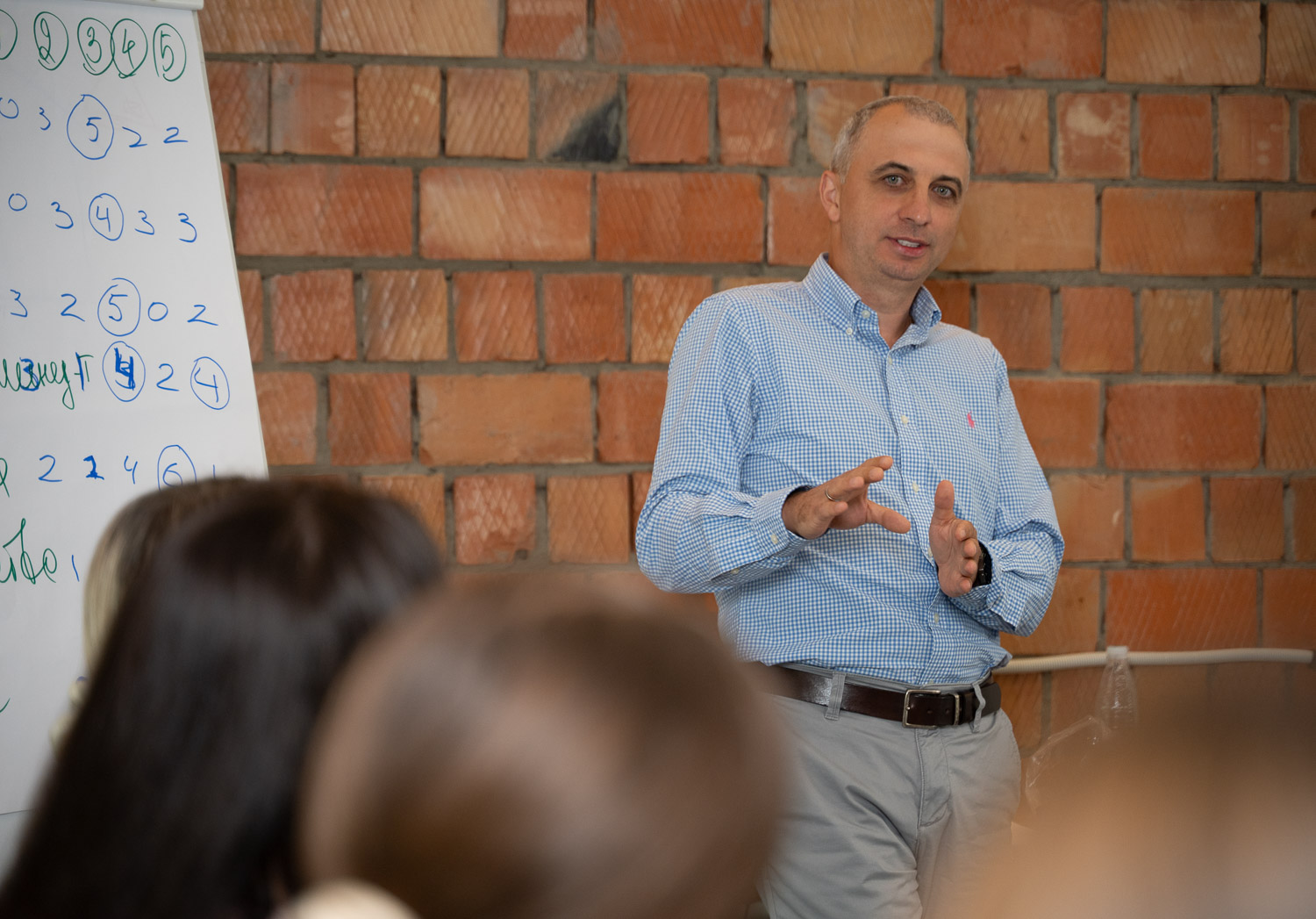
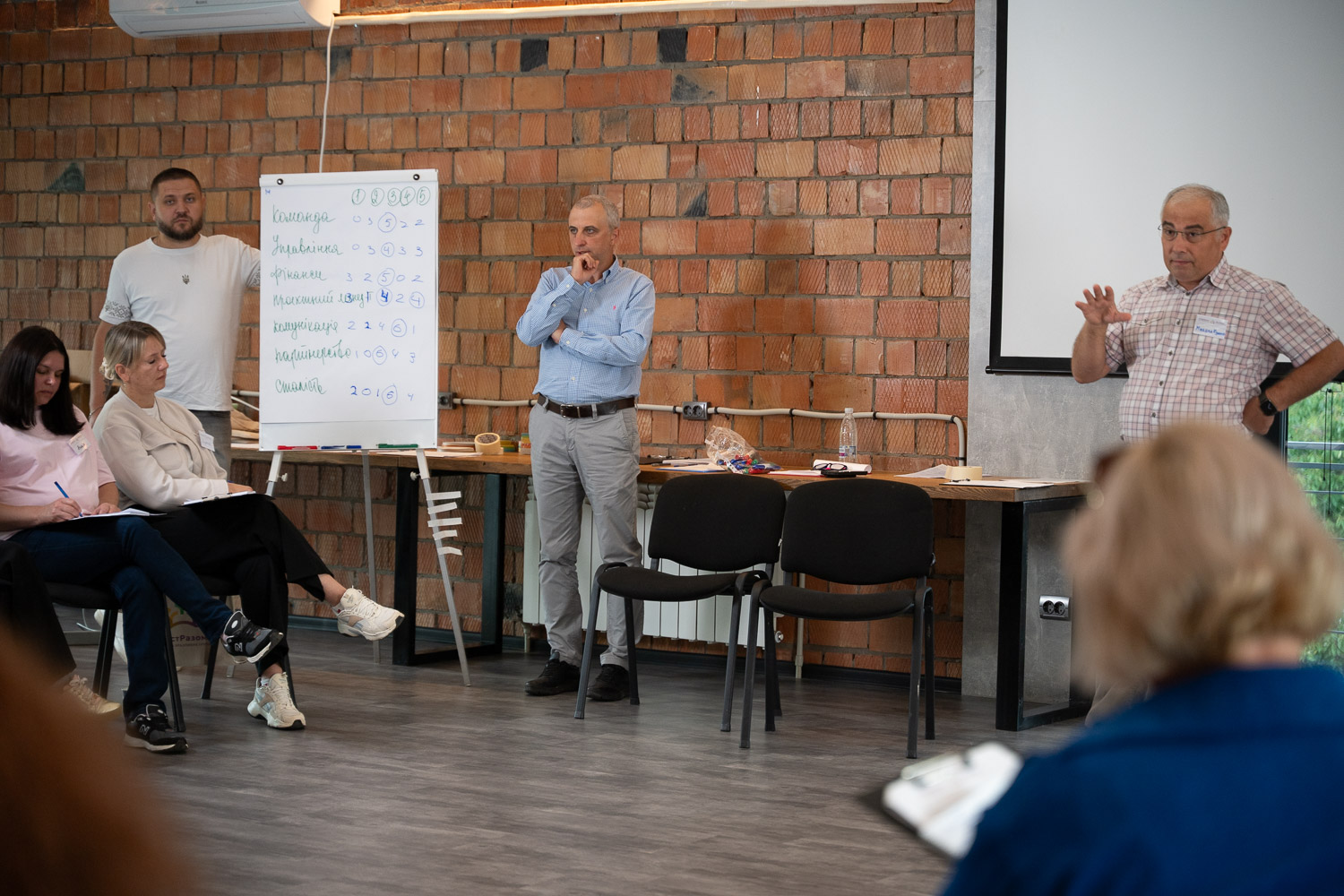
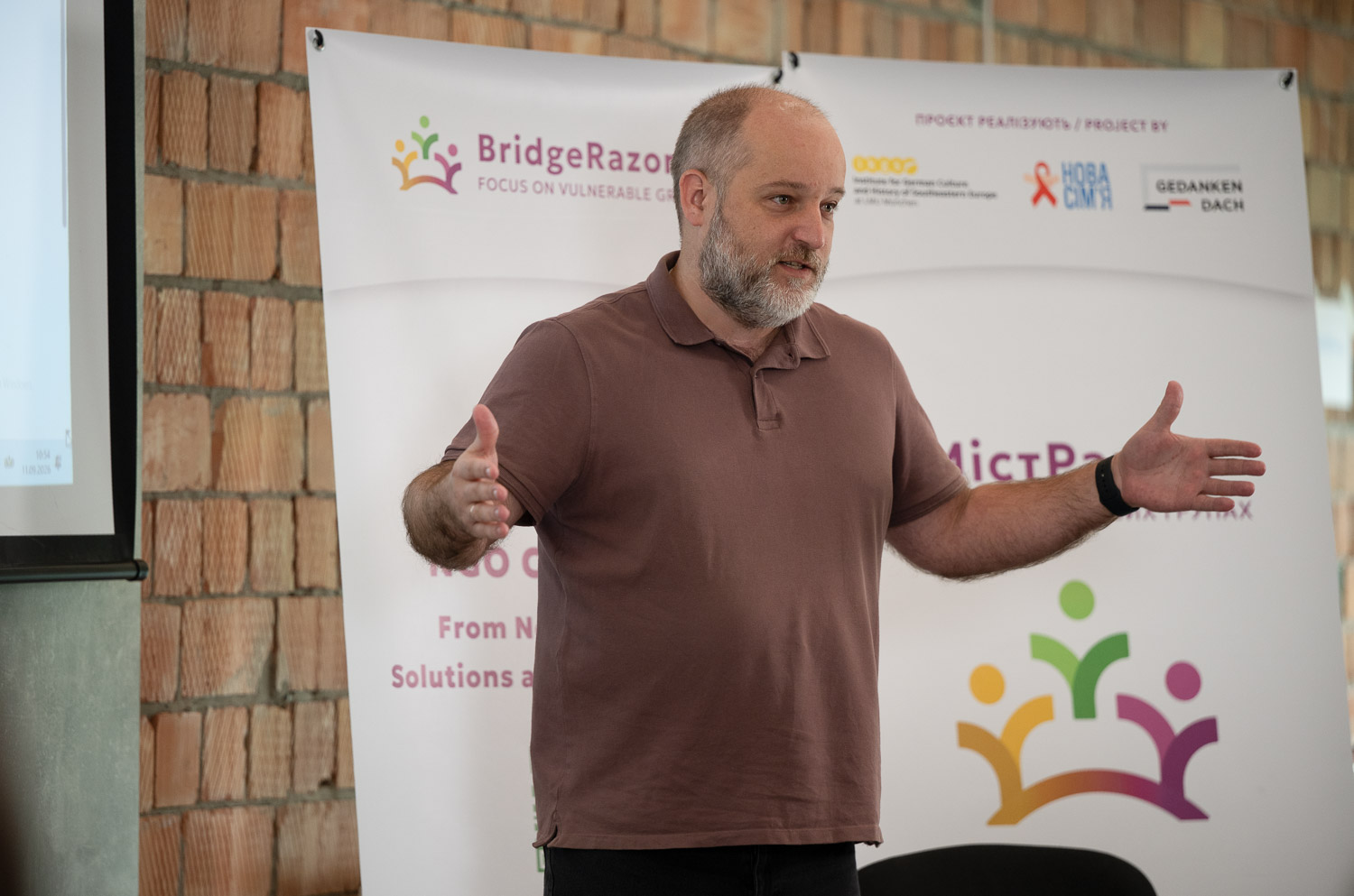
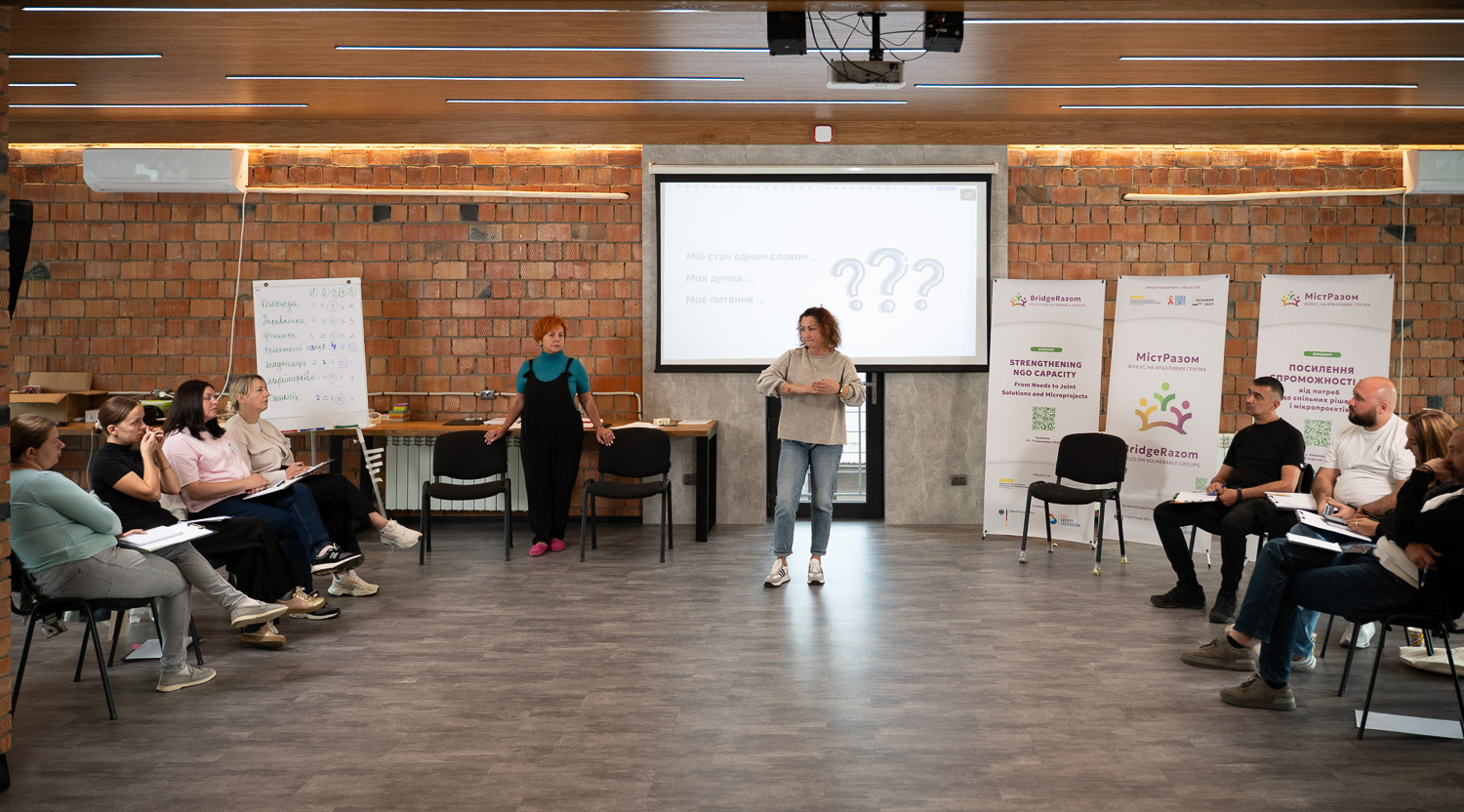
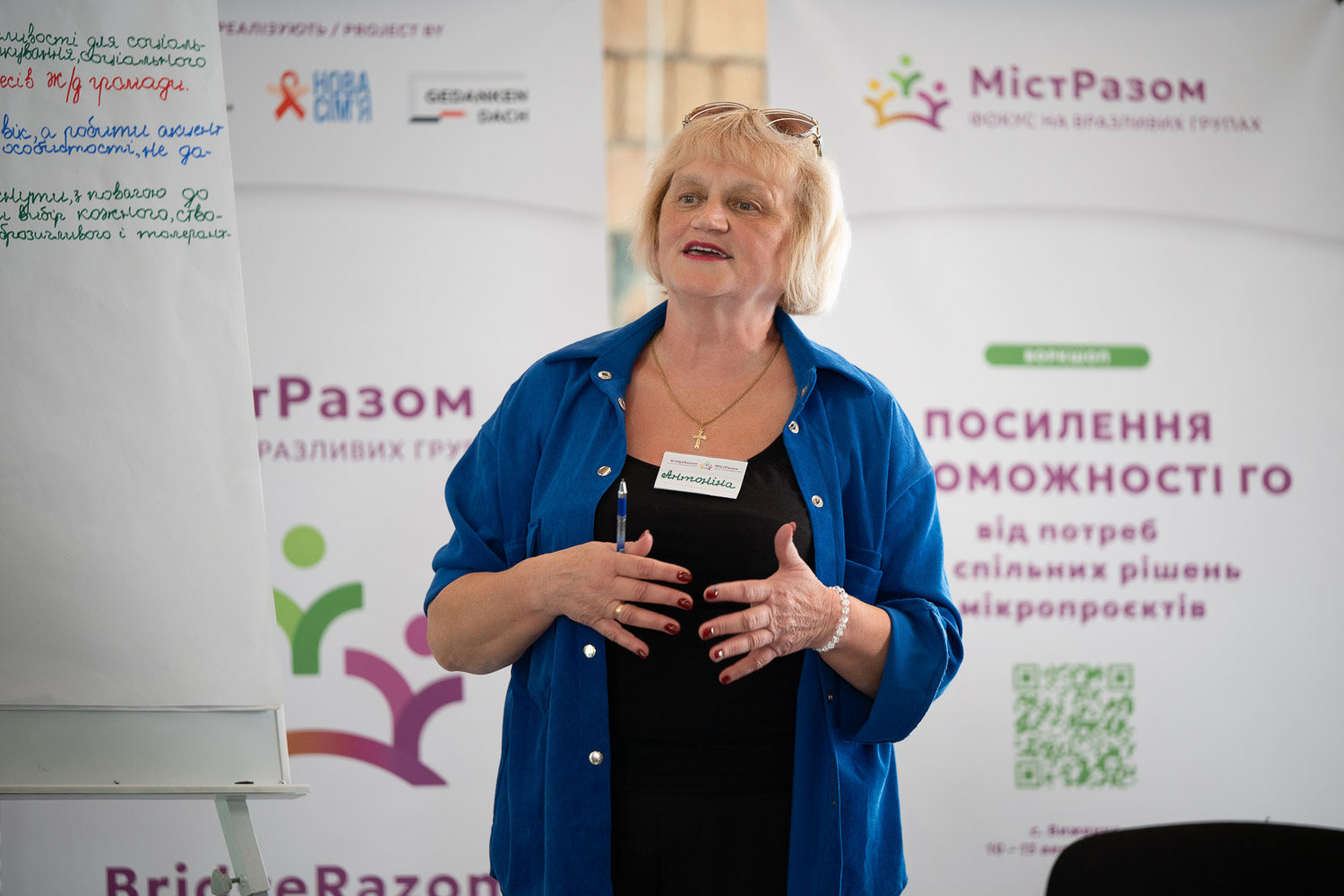
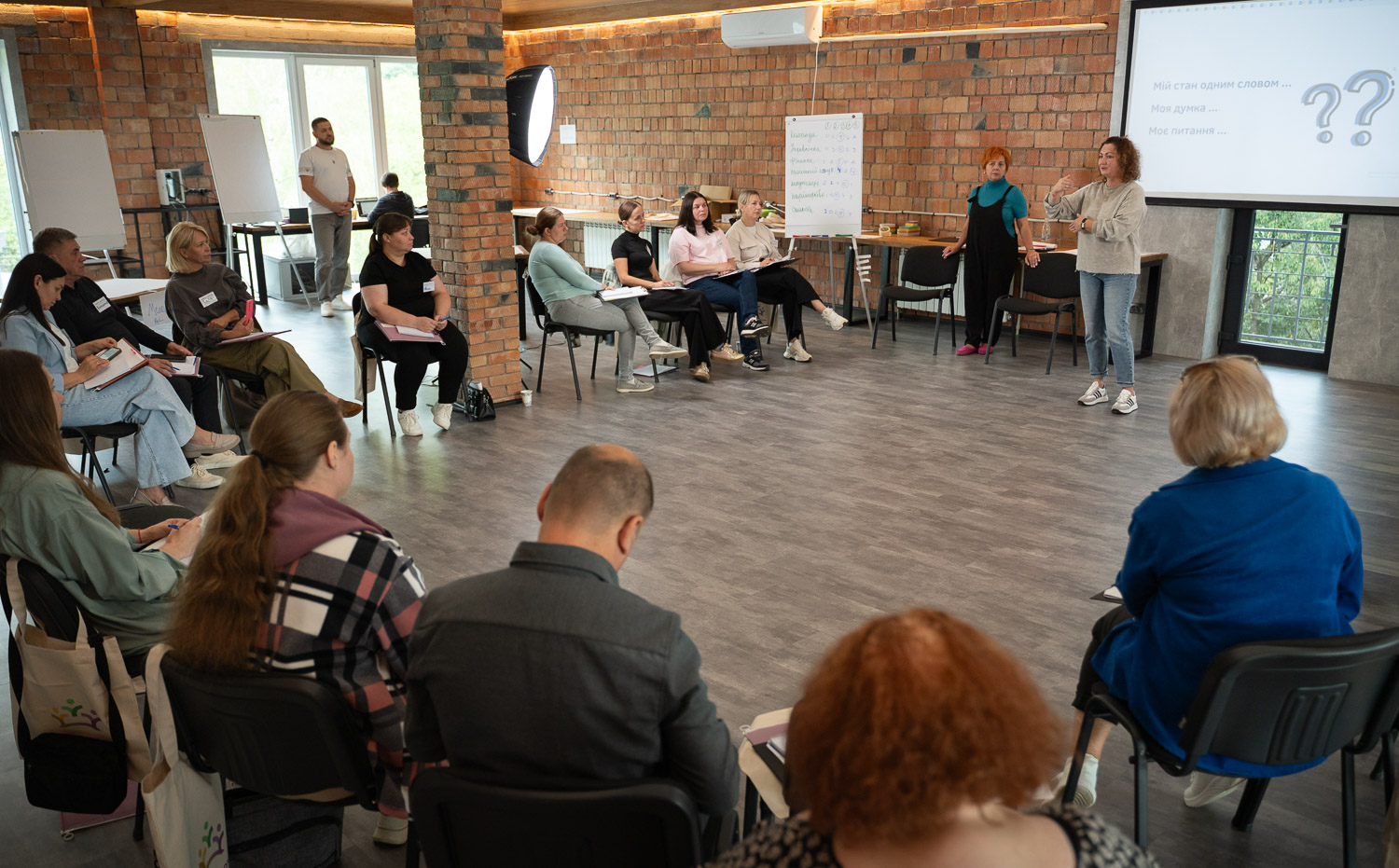
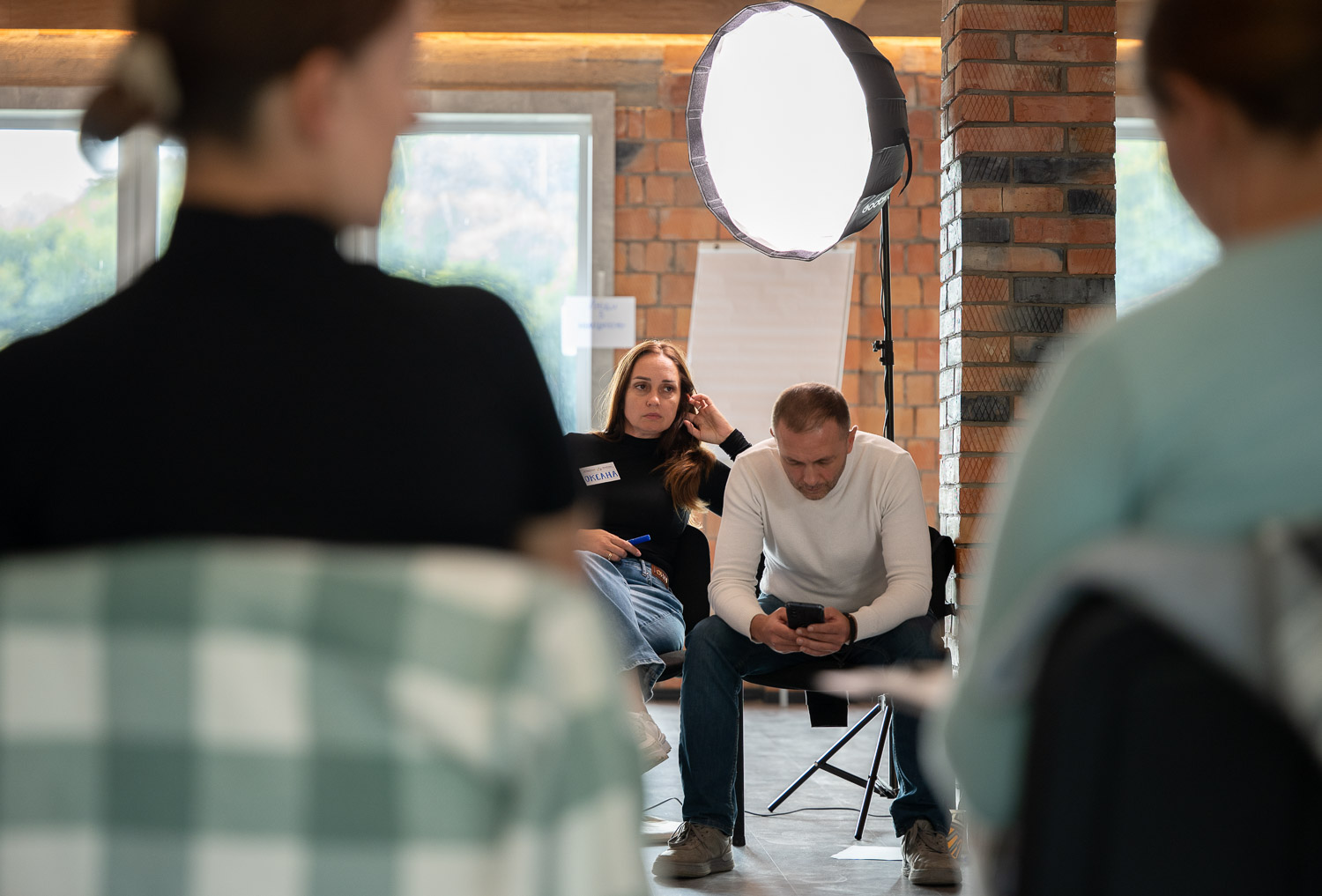
The four-day BridgeRazom workshop is continuing in Vyzhеnka, focusing on strengthening the capacity of NGOs. On the second day, participants focused on needs assessment, partnership-building and finding joint solutions.
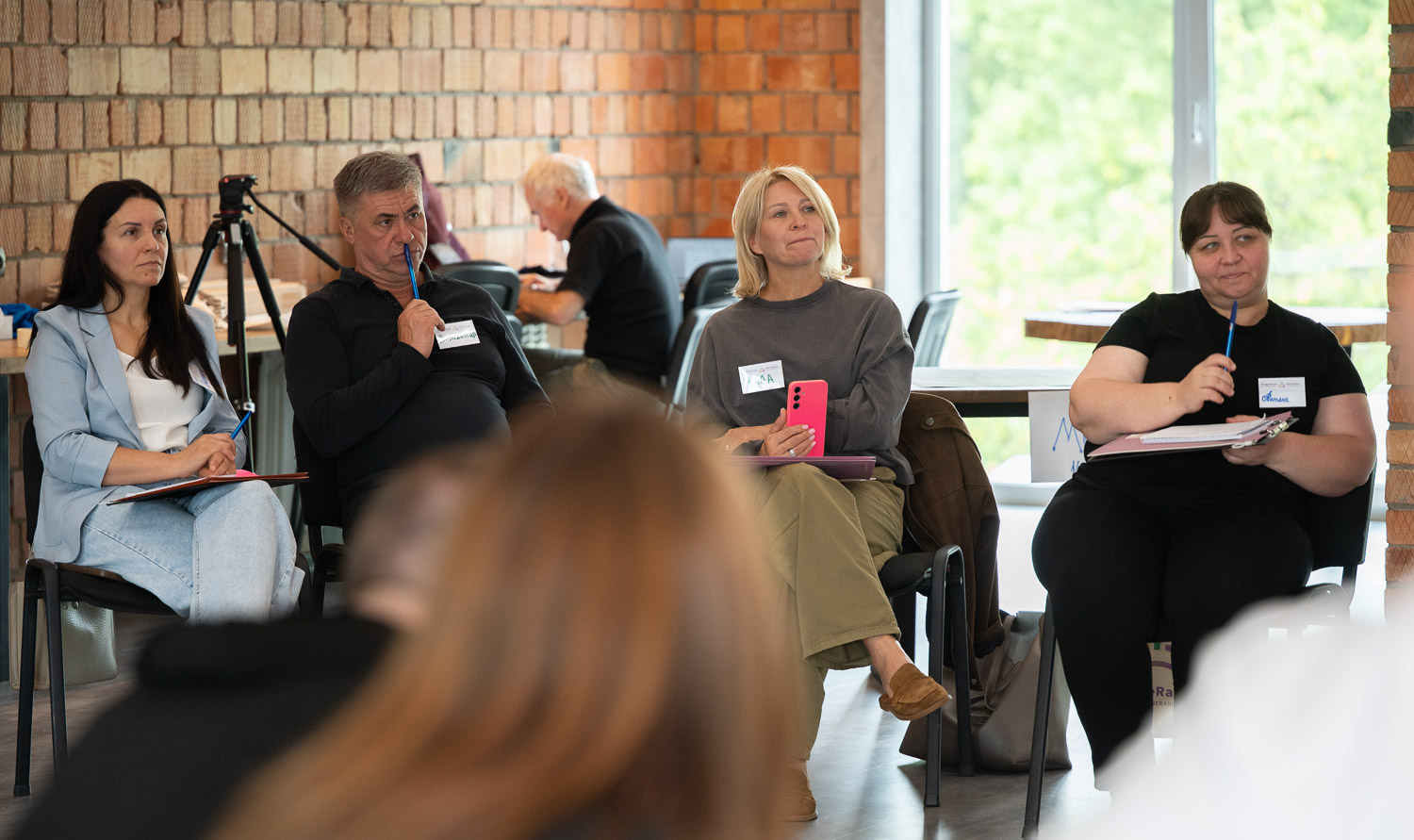
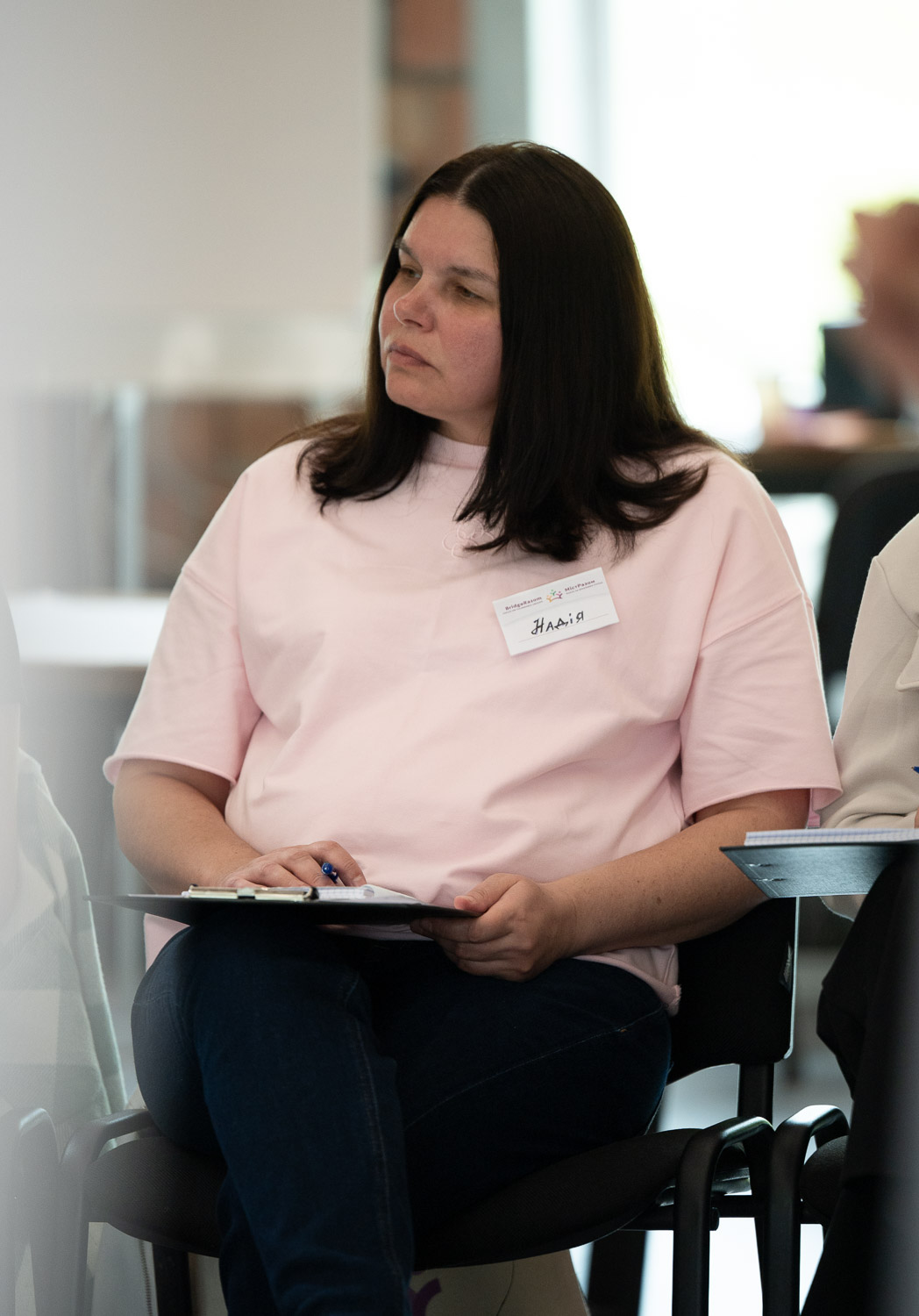
Representatives of organizations from Chernivtsi, Storozhynets, Vyzhnytsia, Ispas, Revakivtsi, Khotyn, Hrushivka, Luzhany, Ust-Putyla, Voloka, Novoselytsia, and Kamiana worked together to analyze the needs of people and communities and explore how cooperation between organizations can strengthen their work.
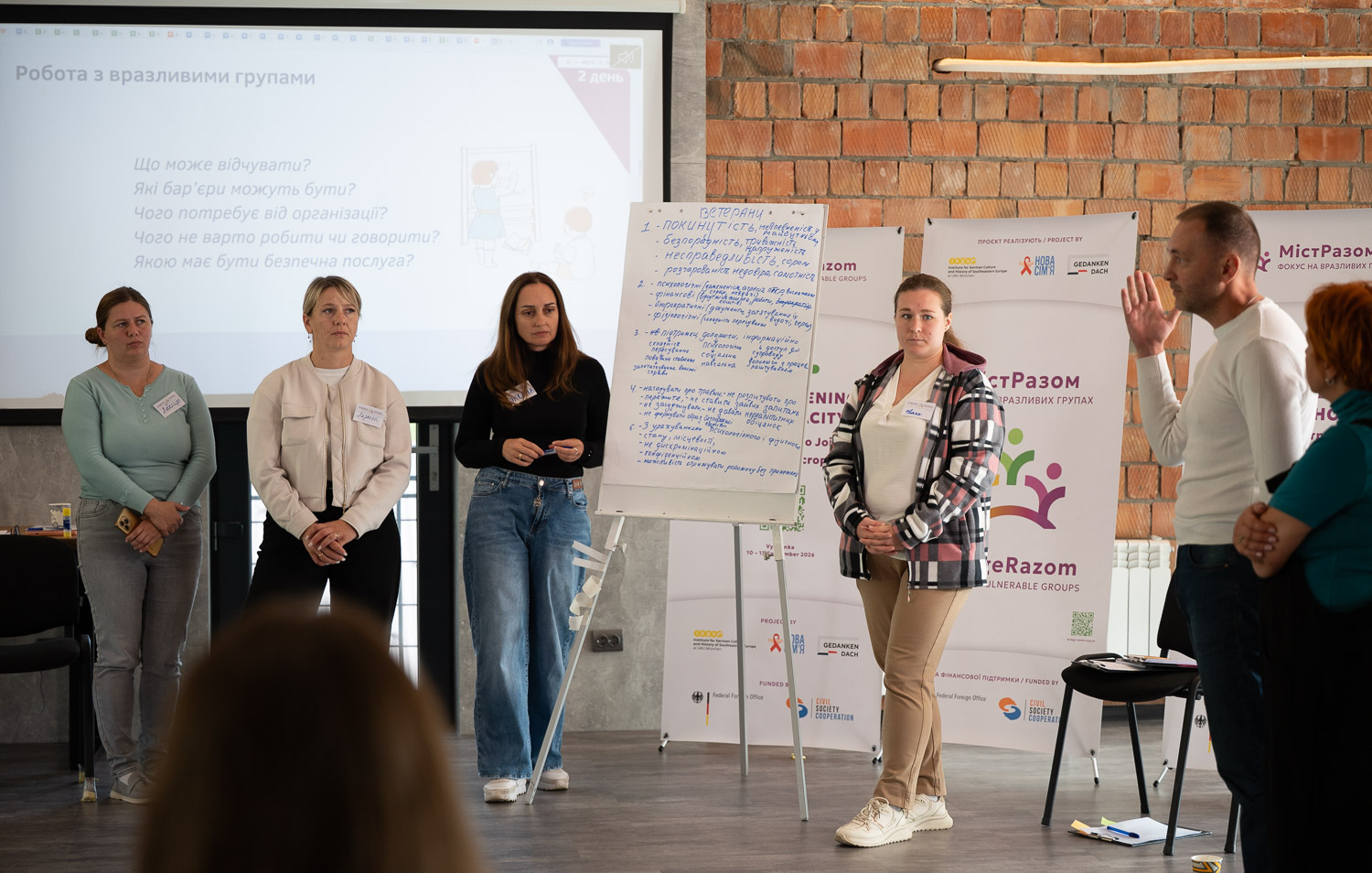
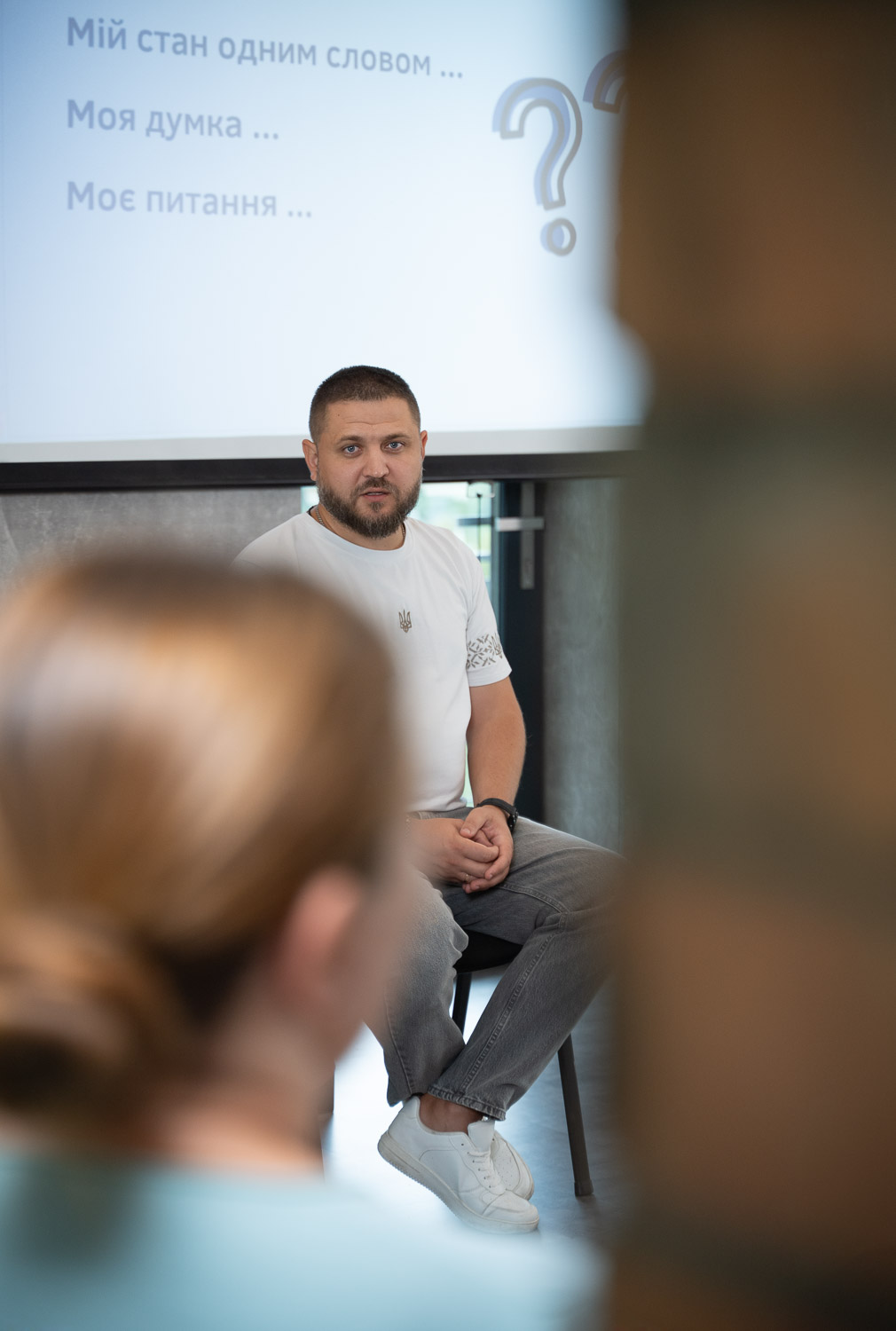
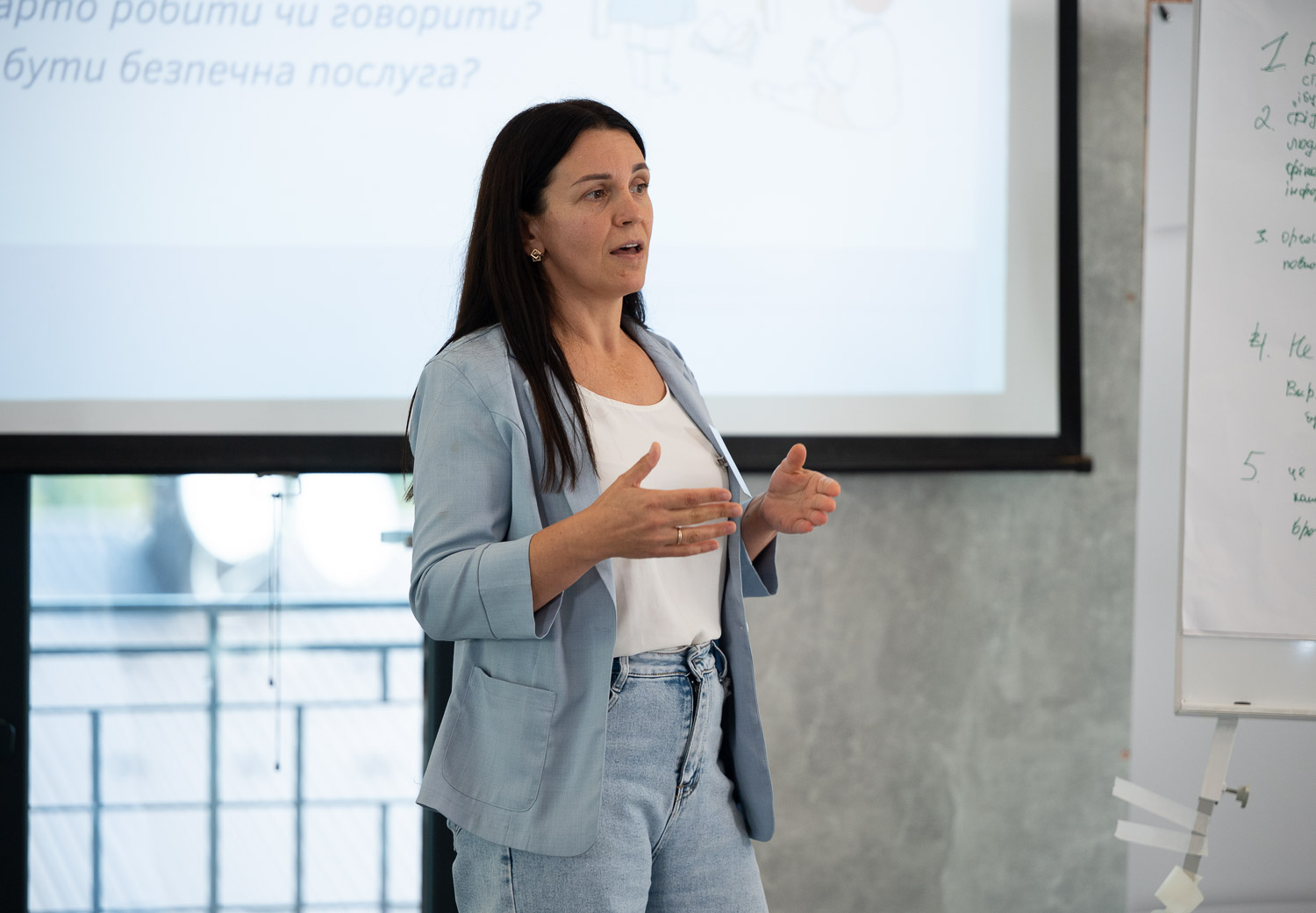
The theme of the second day was «From Needs to Partnership». The morning began with a review of the results of the first day, followed by a session on the principles of safe, ethical and non-discriminatory interaction with vulnerable groups.
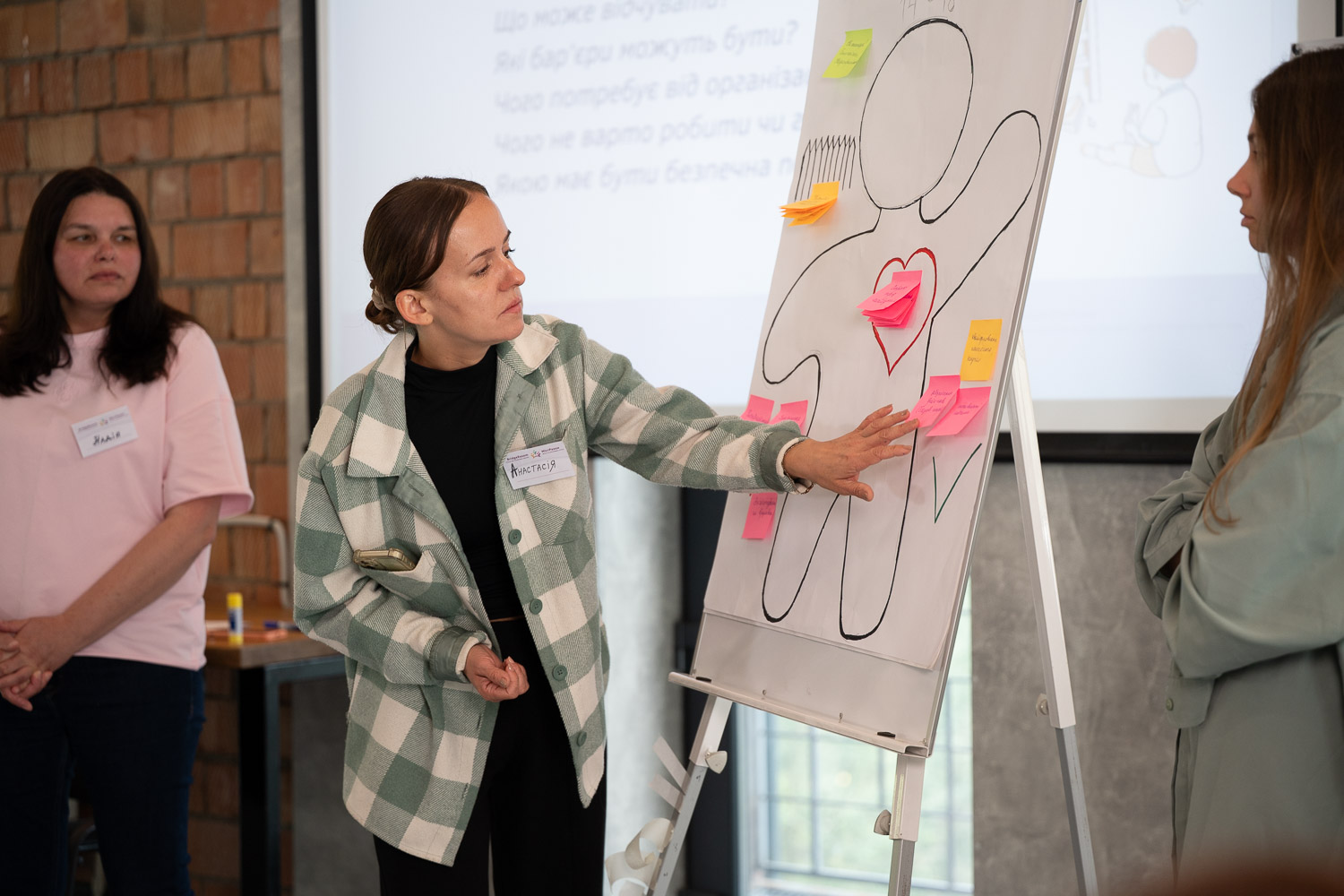
A separate session focused on needs assessment. Participants explored how to distinguish the actual needs of people and communities from their own assumptions, where to find relevant information, and how to use it when planning future projects.
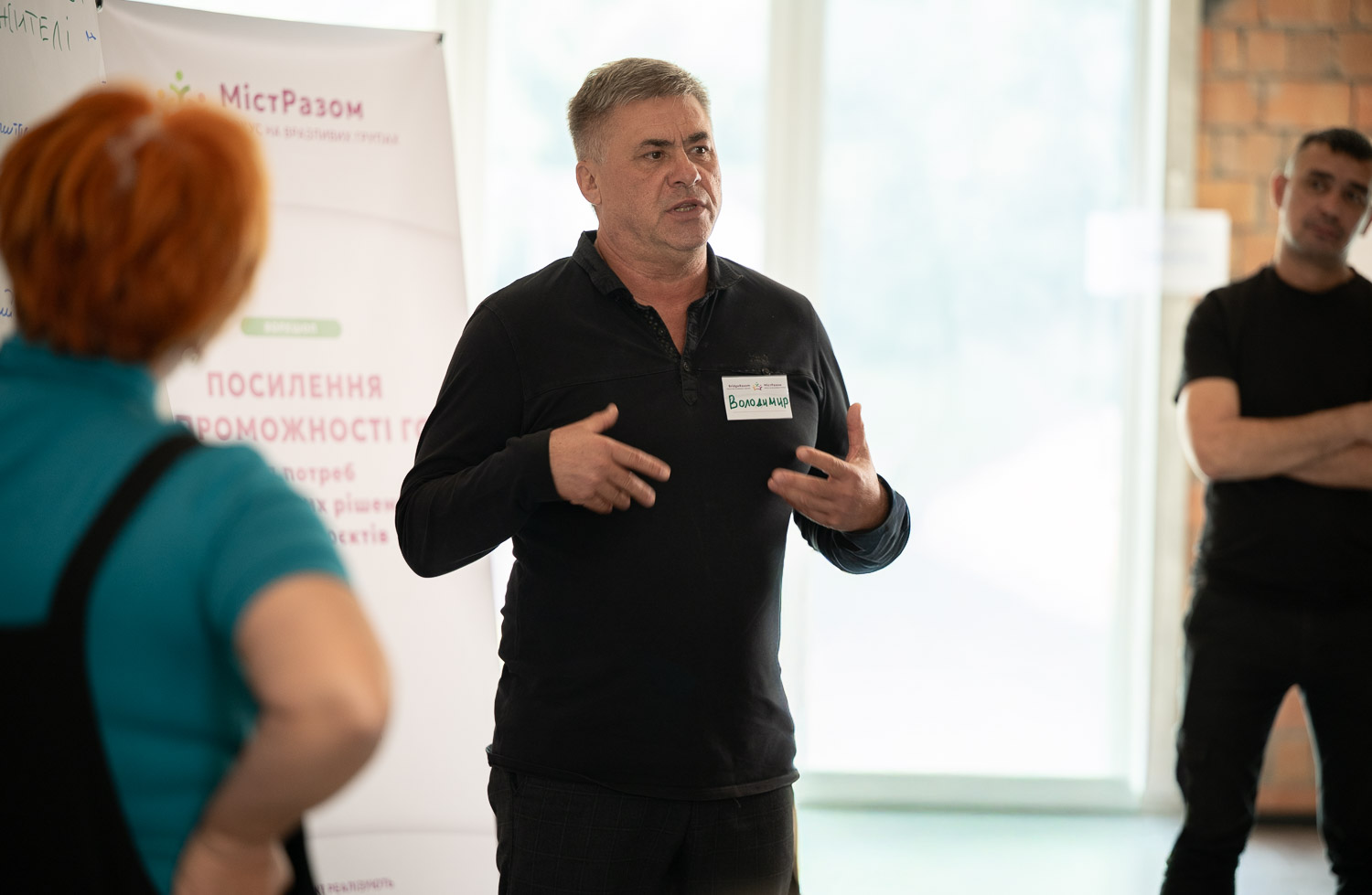
Trainer Aliona Makedon emphasized an important principle of project development:
«A good project does not start with an idea for an activity, but with a clear understanding of the problem and its causes»
For organizations working every day with veterans and their families, internally displaced people, children and people with disabilities, older people, and other vulnerable groups, this approach is particularly important. An effective solution should respond to a specific problem rather than simply sound like a good idea.
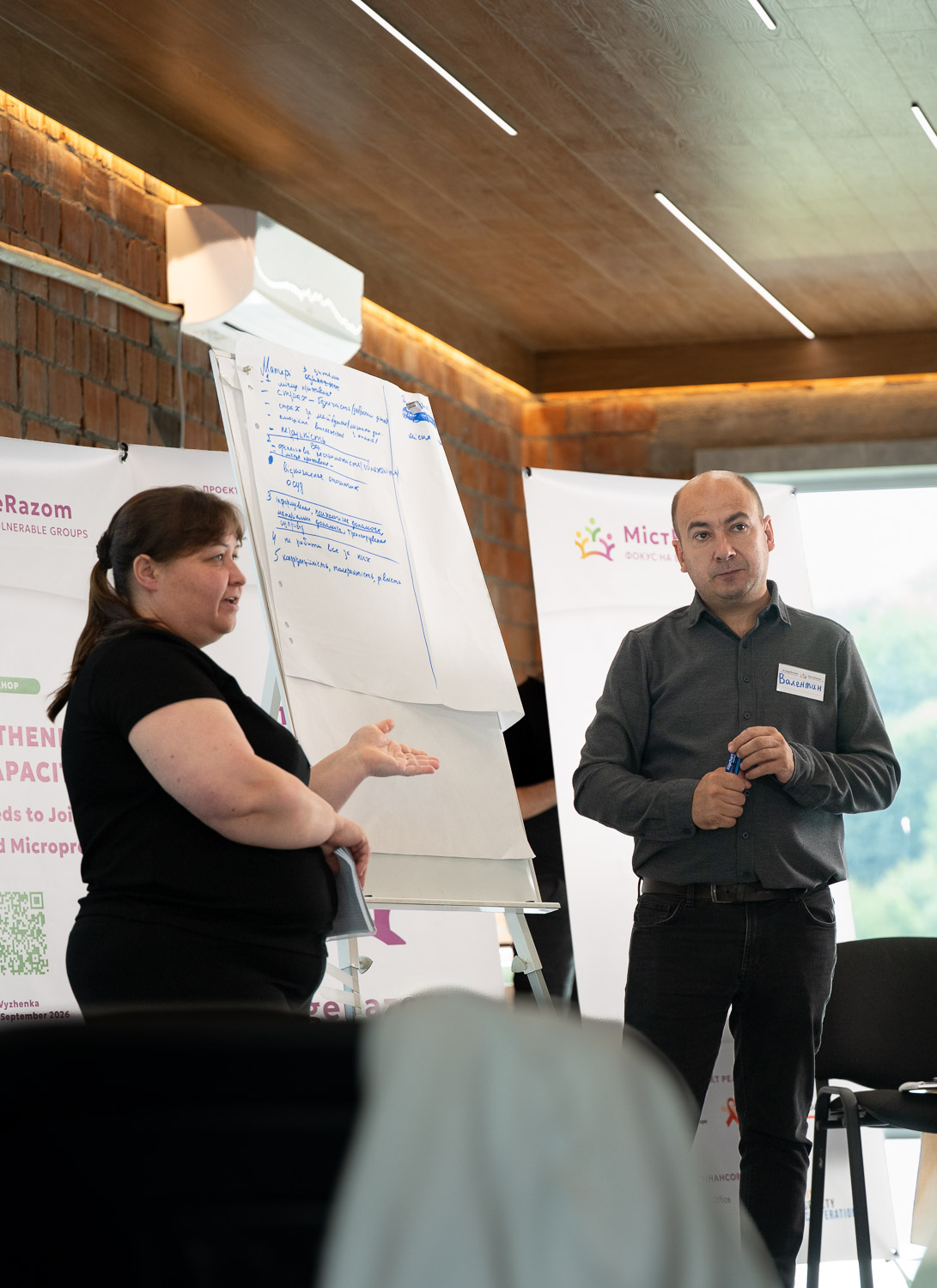
After discussing needs, participants moved on to the question of why civil society organizations need partnerships. They discussed the benefits of networking, sharing resources, complementing each other’s expertise, as well as the risks of competition between organizations.
During the session, the trainers outlined what makes a partnership truly effective. Key elements include a shared understanding of the problem, mutual value for the partners, a clear division of roles, transparent agreements, and a shared outcome.
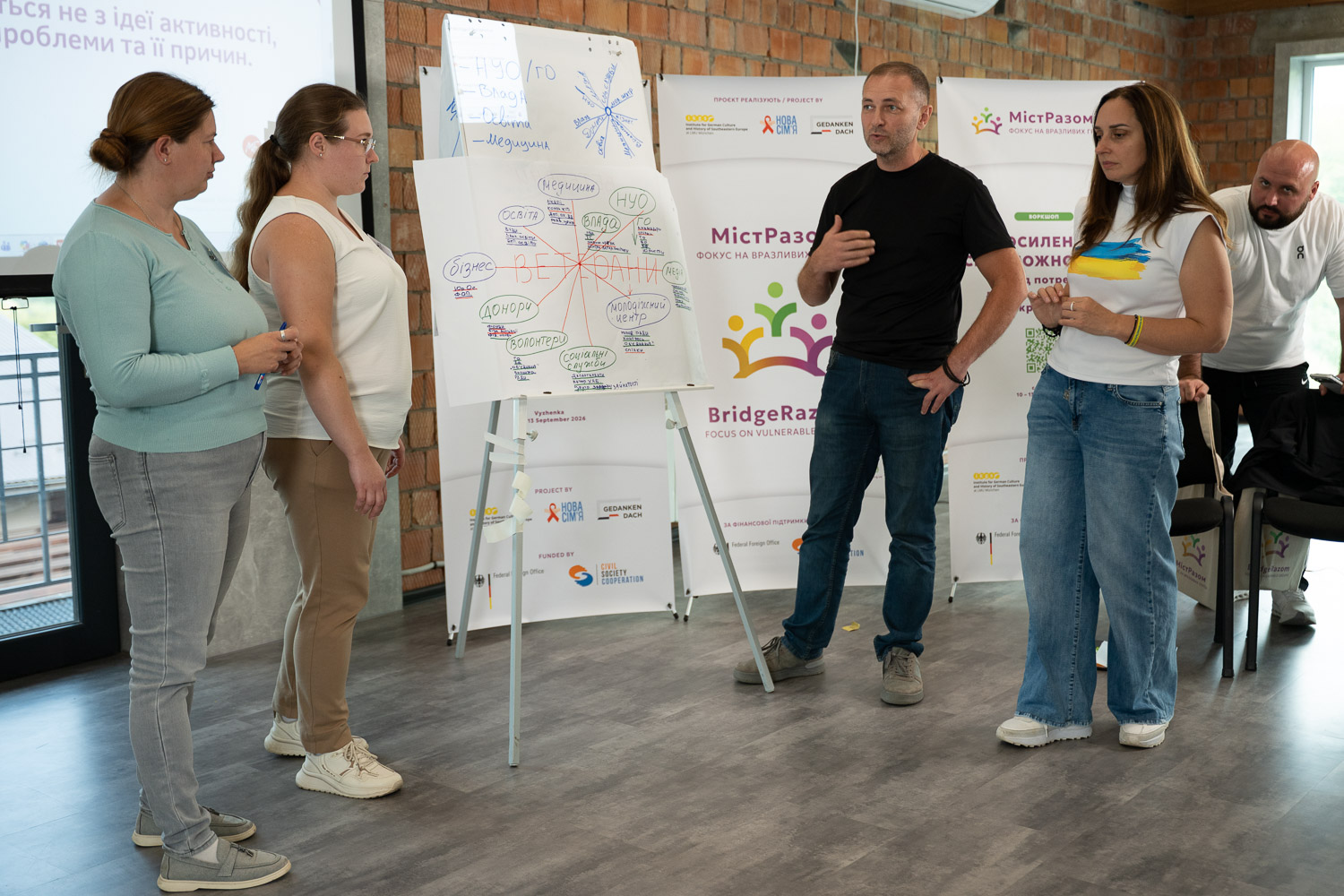
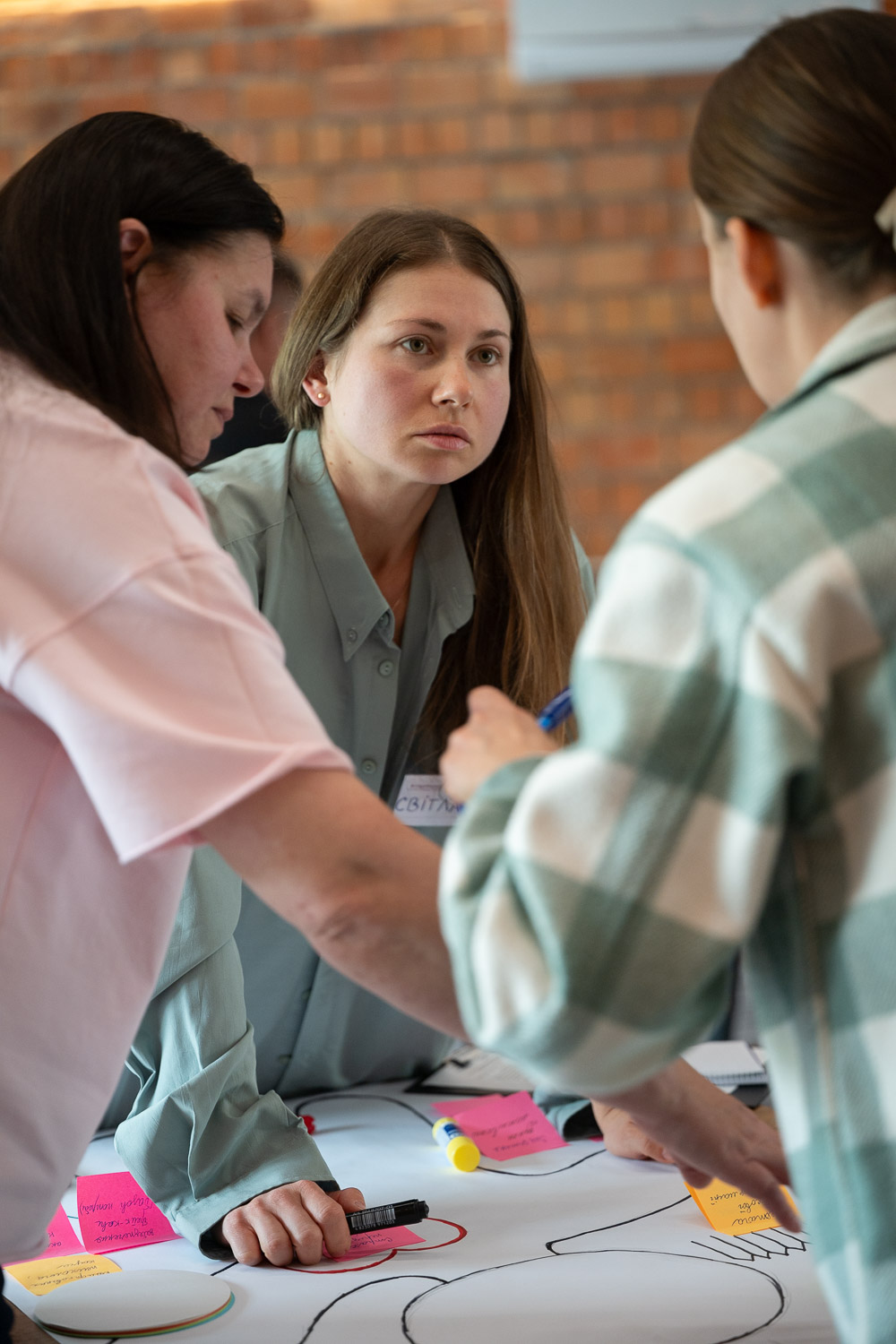
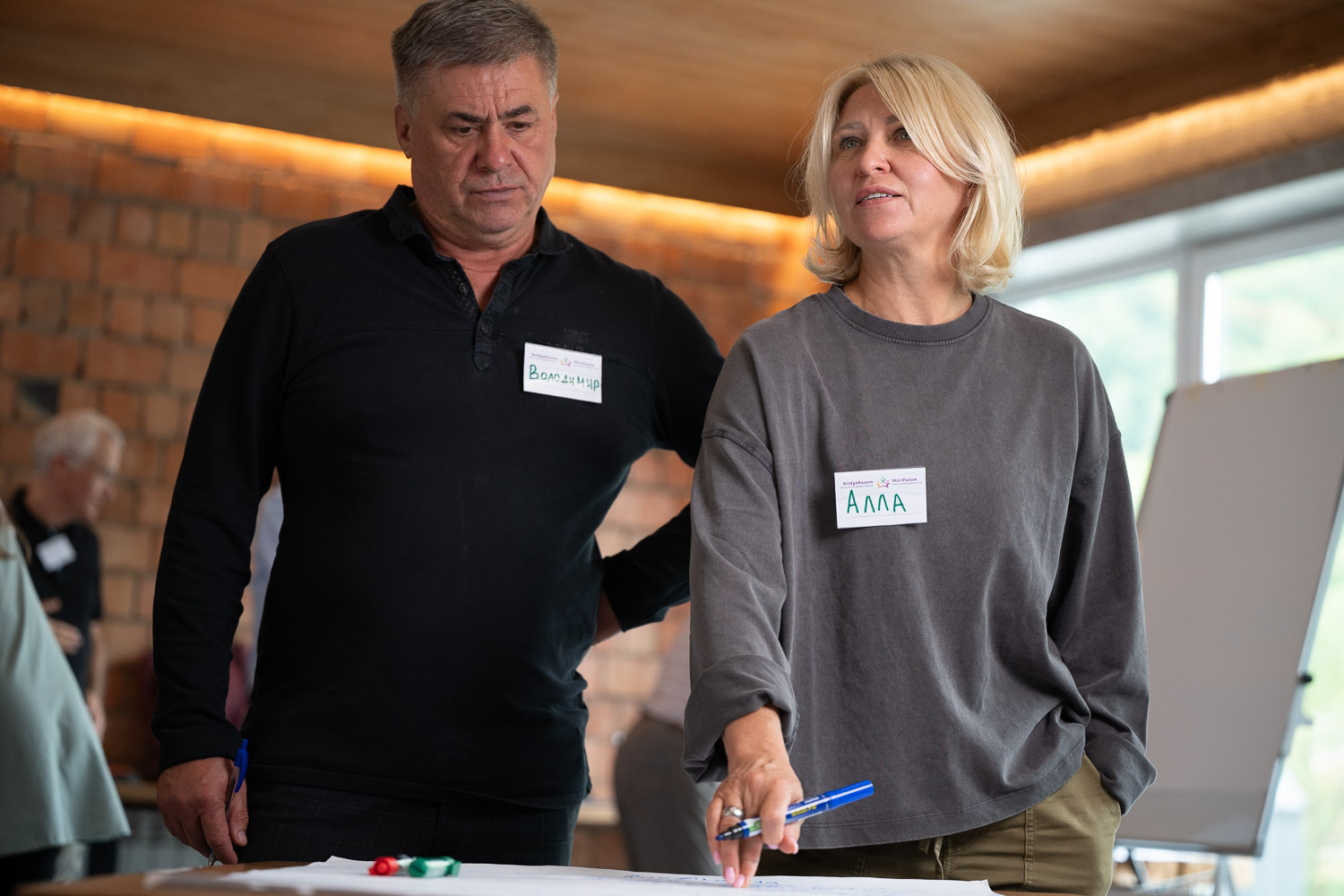
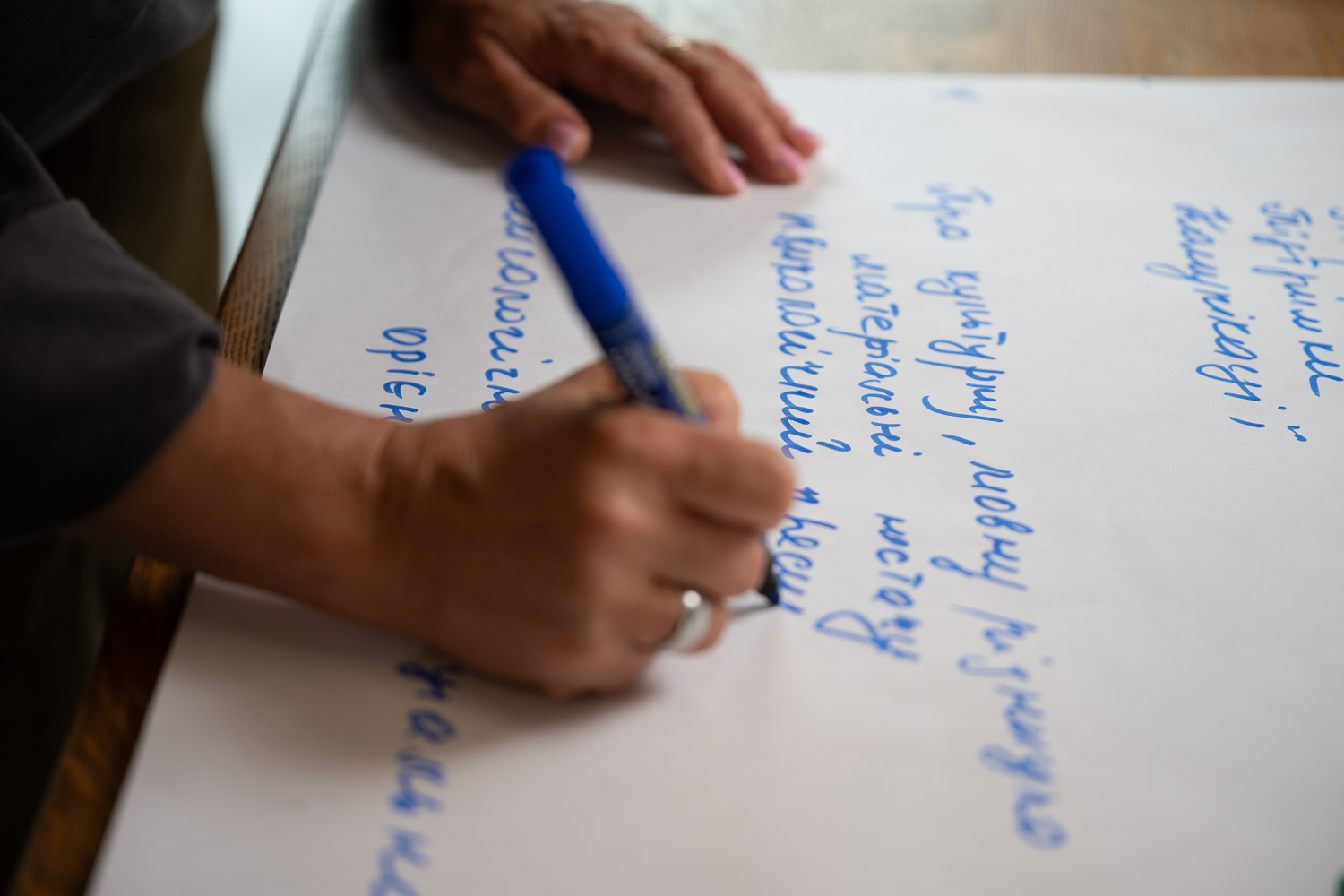
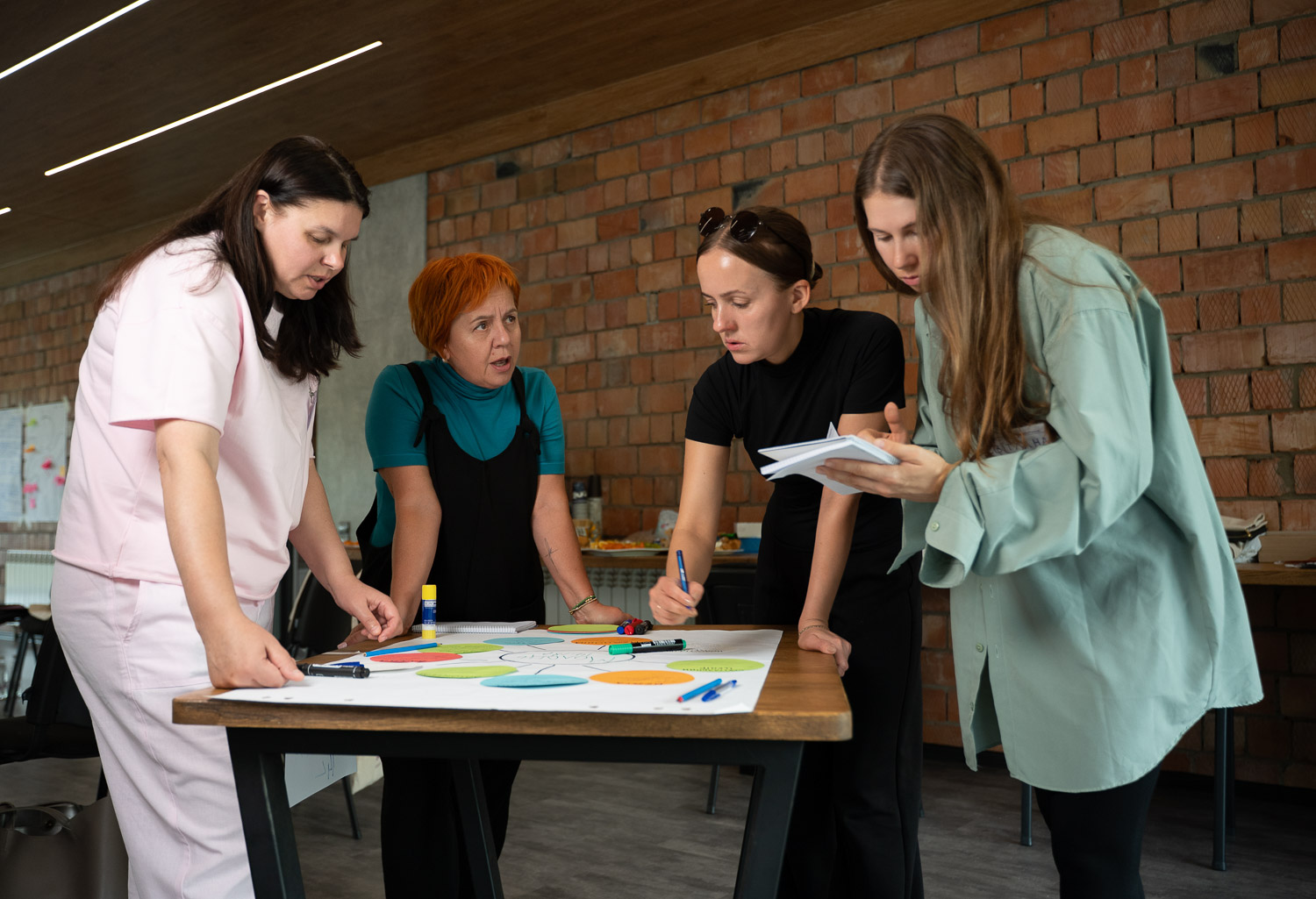
The next step was to create a partnership map. Participants identified their existing partners, considered which partnerships were still missing, and explored with whom they could develop joint projects.
This is particularly relevant to BridgeRazom, as the participants represent organizations with diverse experience and areas of work. These include civil society organizations providing social and psychosocial support; working with veterans, people with disabilities, and internally displaced people; and organizations engaged in education, volunteering, rehabilitation, cultural and youth initiatives, legal counselling and healthcare.
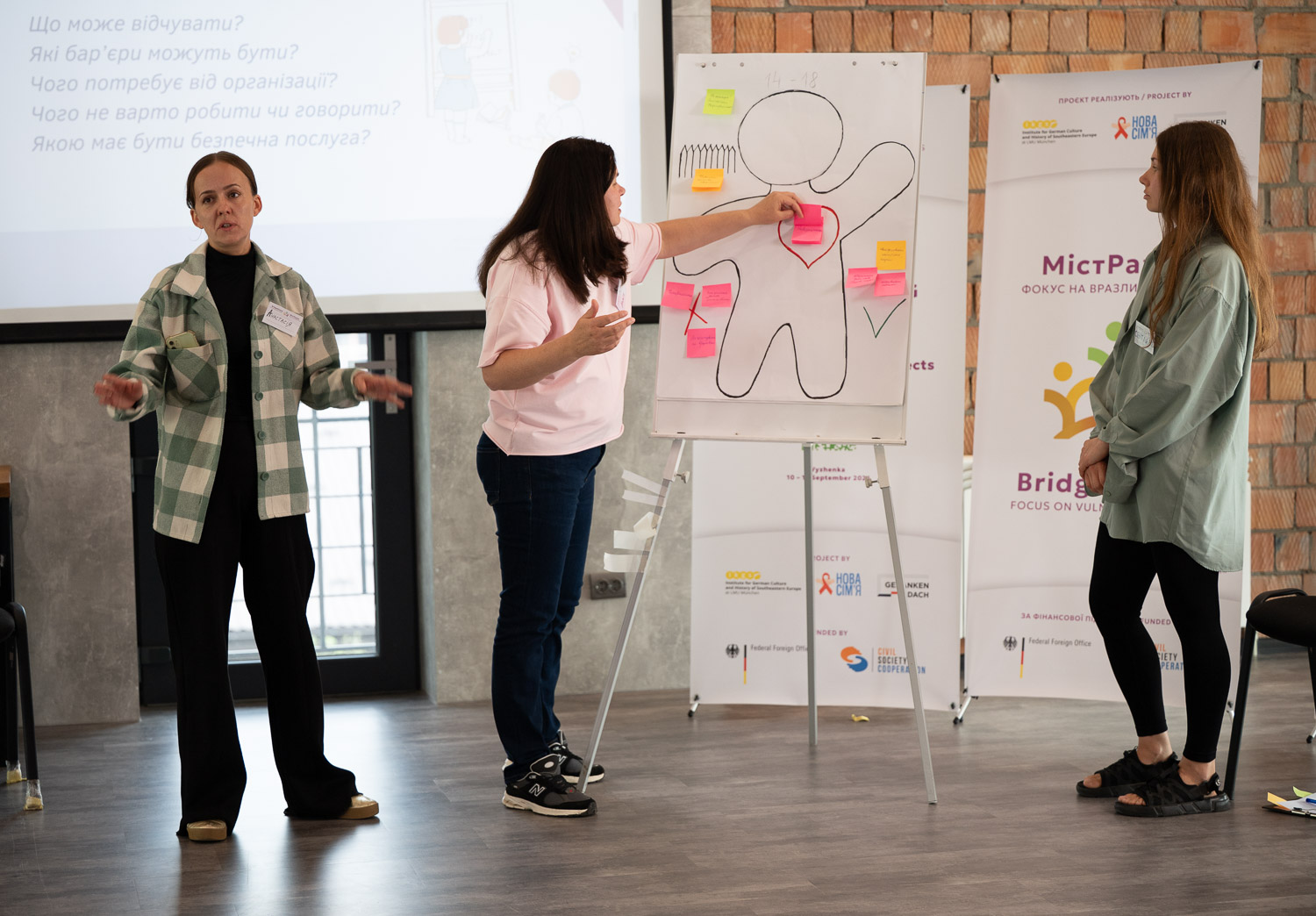
The day concluded with participants discussing their micro-project ideas and identifying their target groups. Representatives of the six groups took the first steps towards developing their micro-projects, and tomorrow they will continue by working on detailed project plans.
Written by Lilia Shutiak
Photos by Nataliia Paziuk
Photo report