Micro-projects
«The Architecture of Balance»: Self-Regulation and Mental Health Training in Nepolokivtsi Community
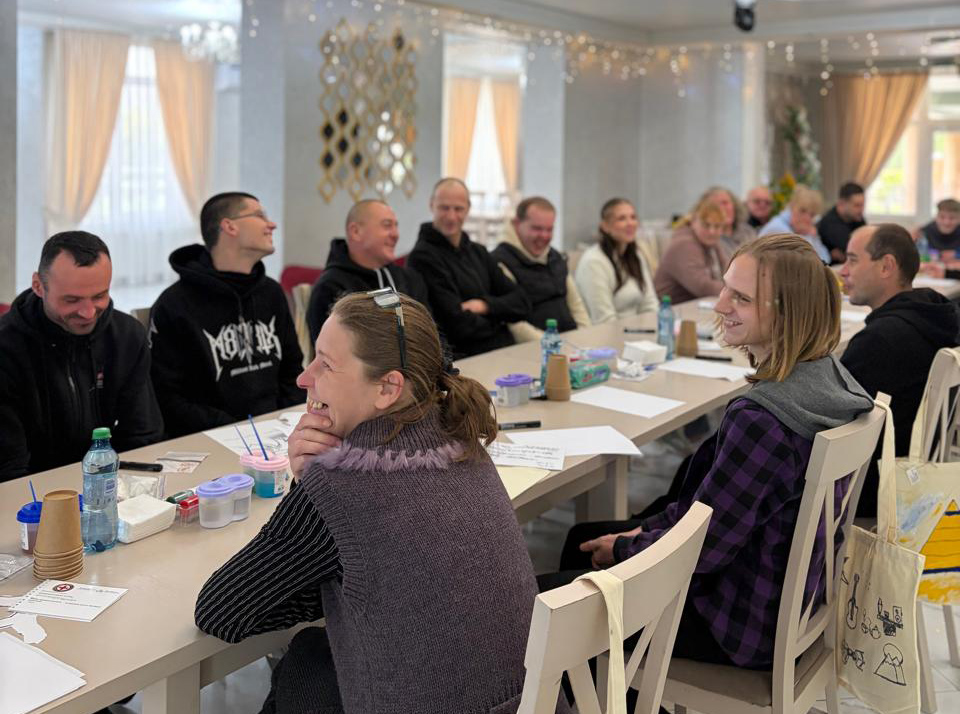
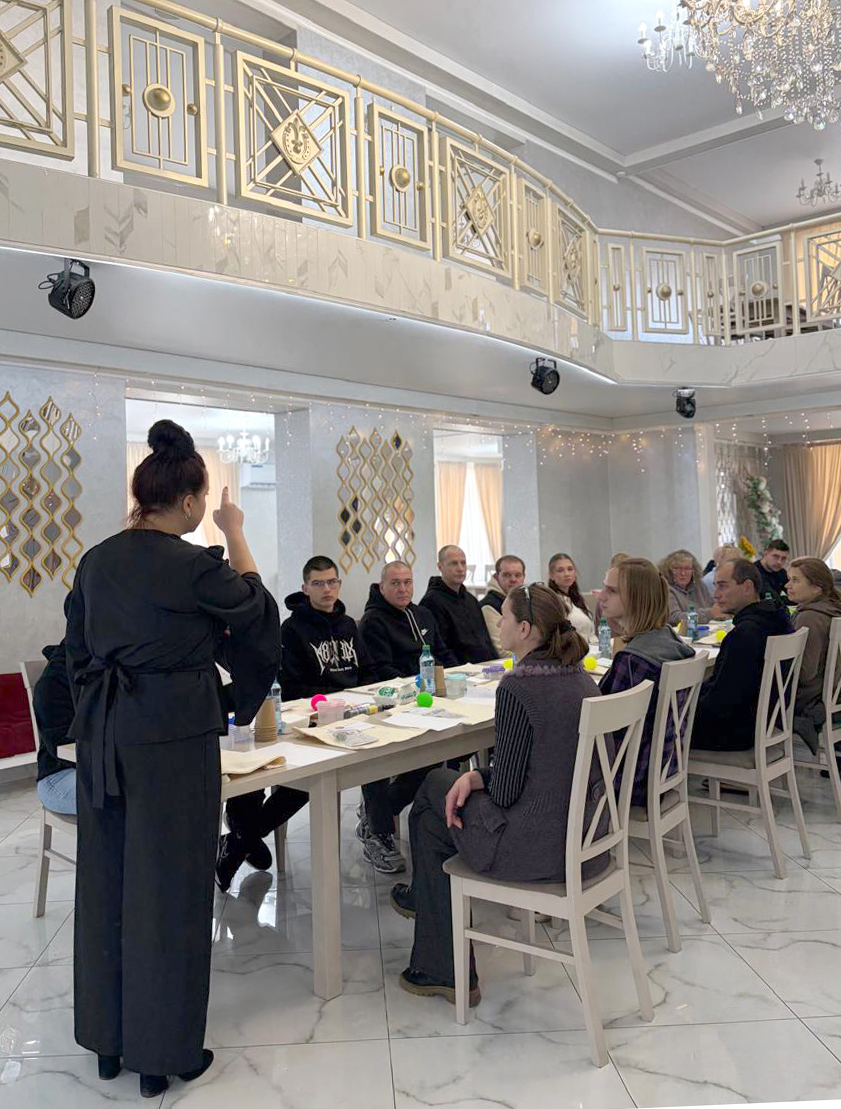
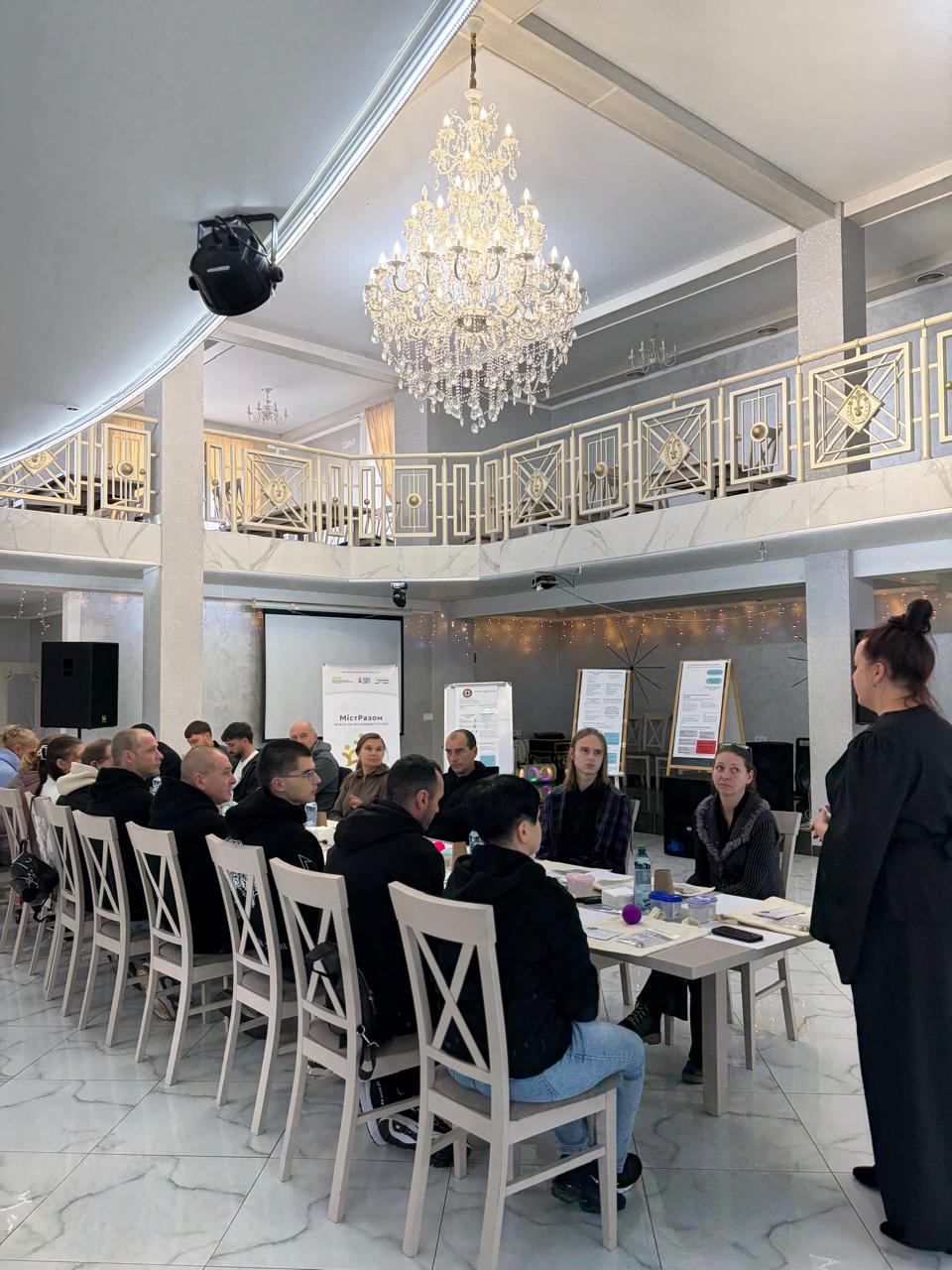
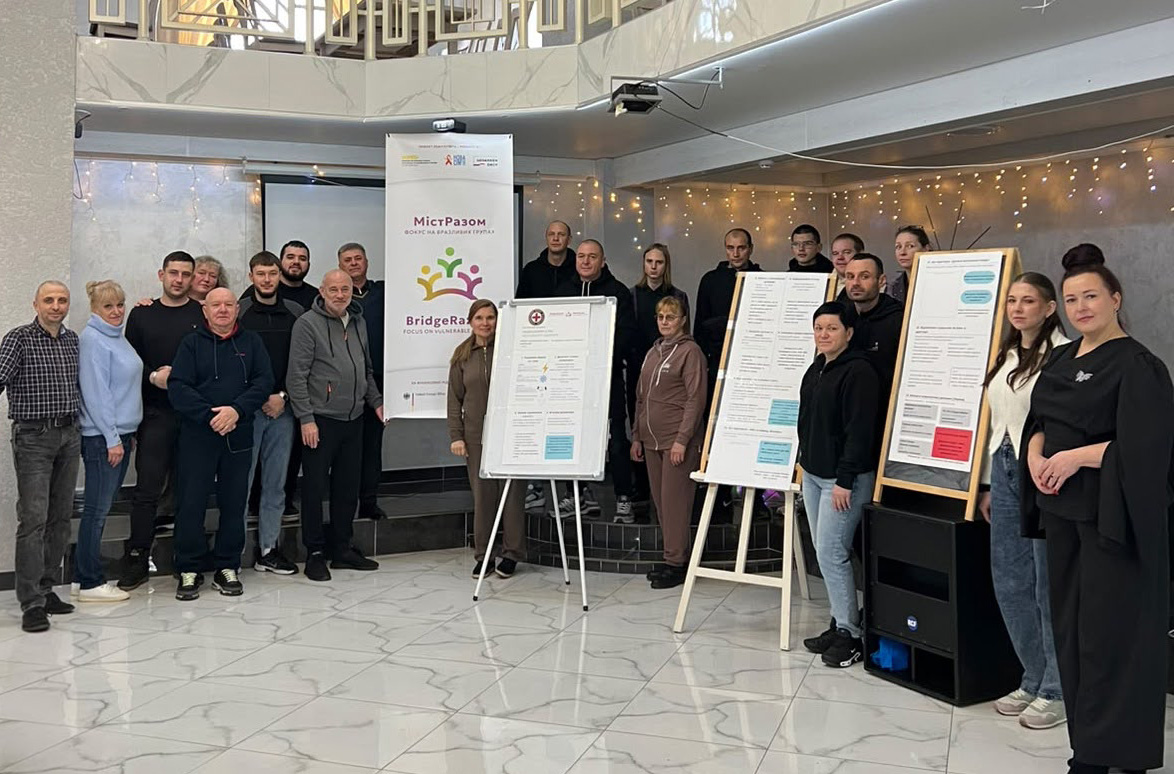
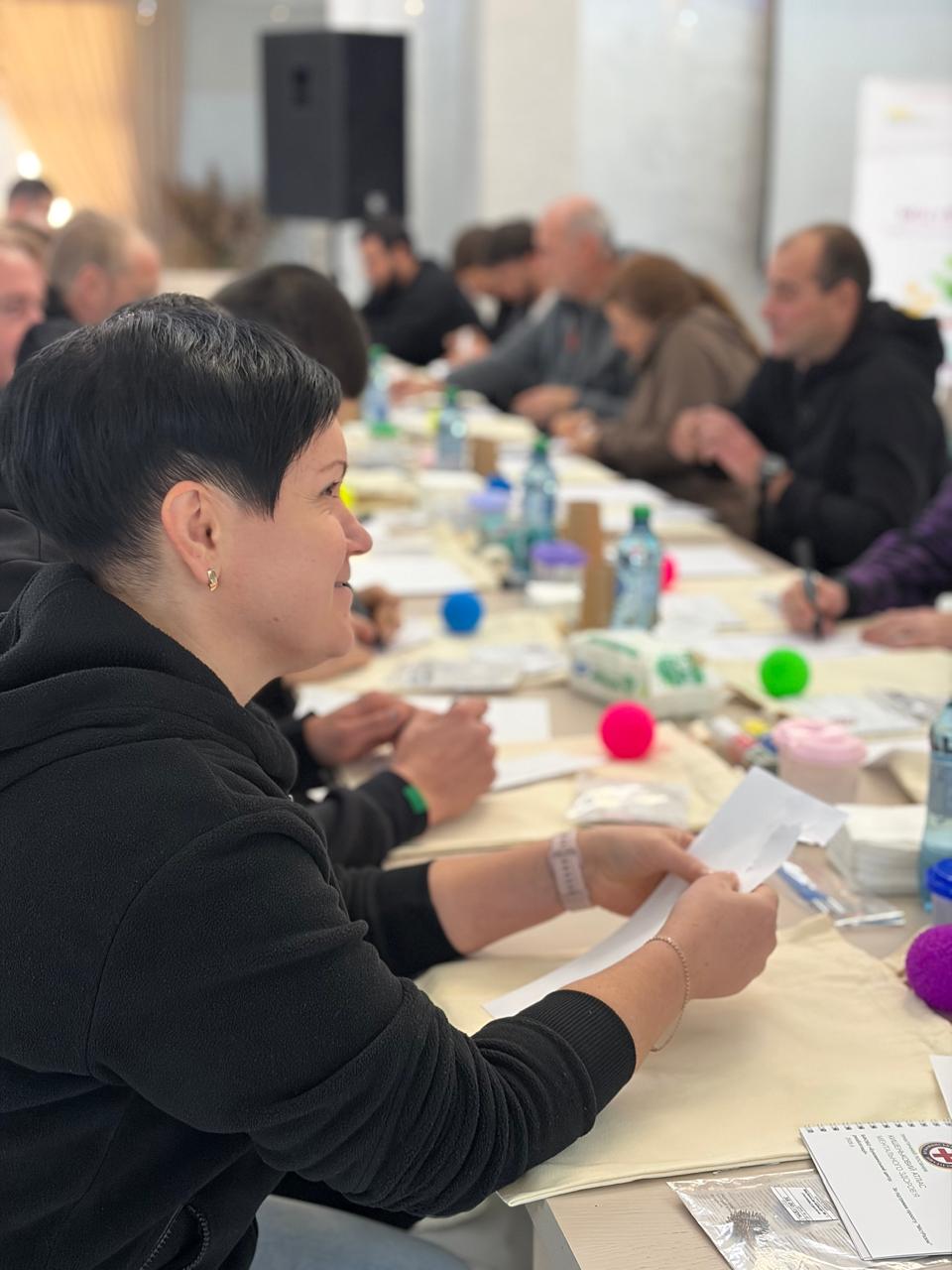
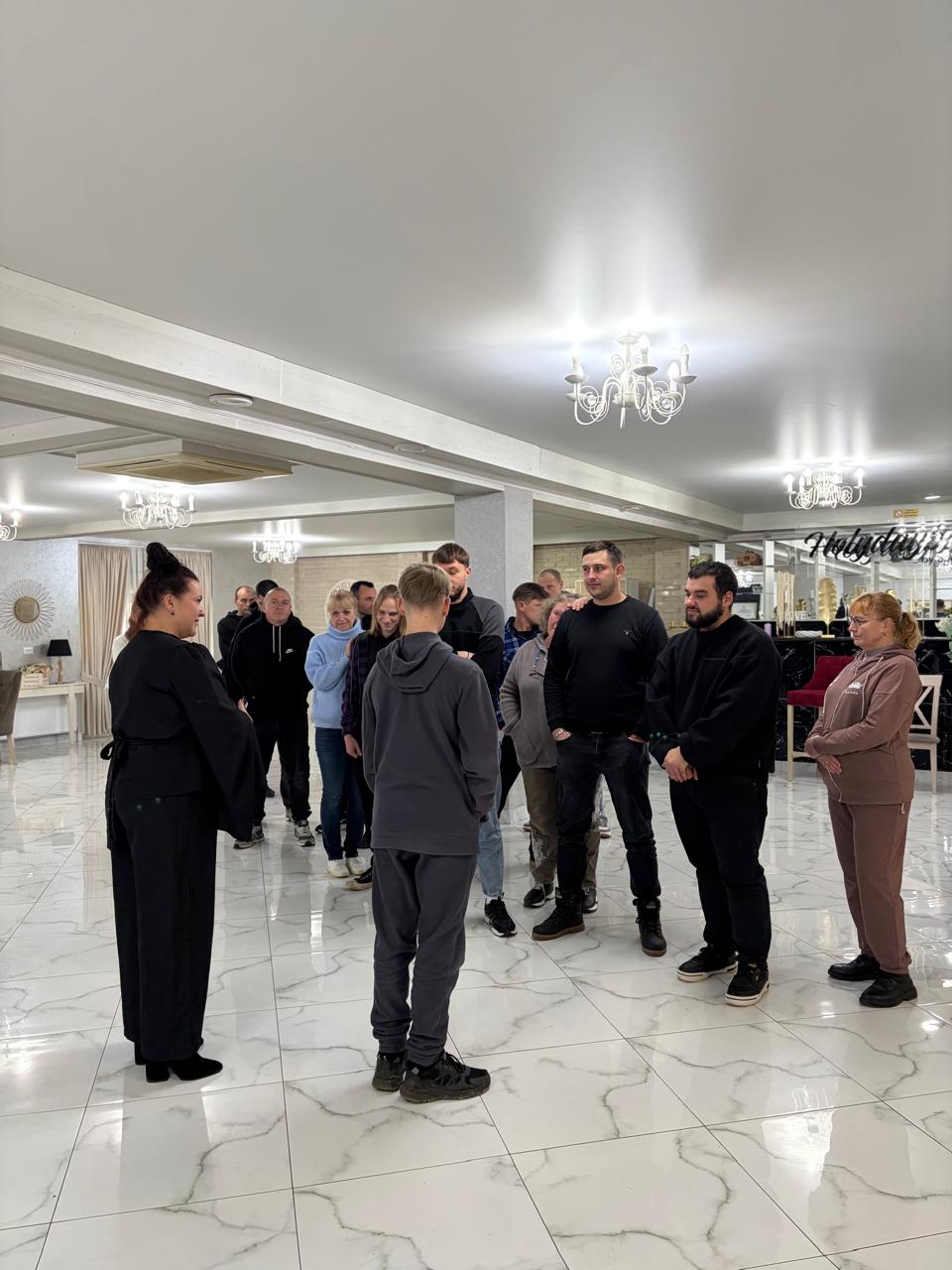
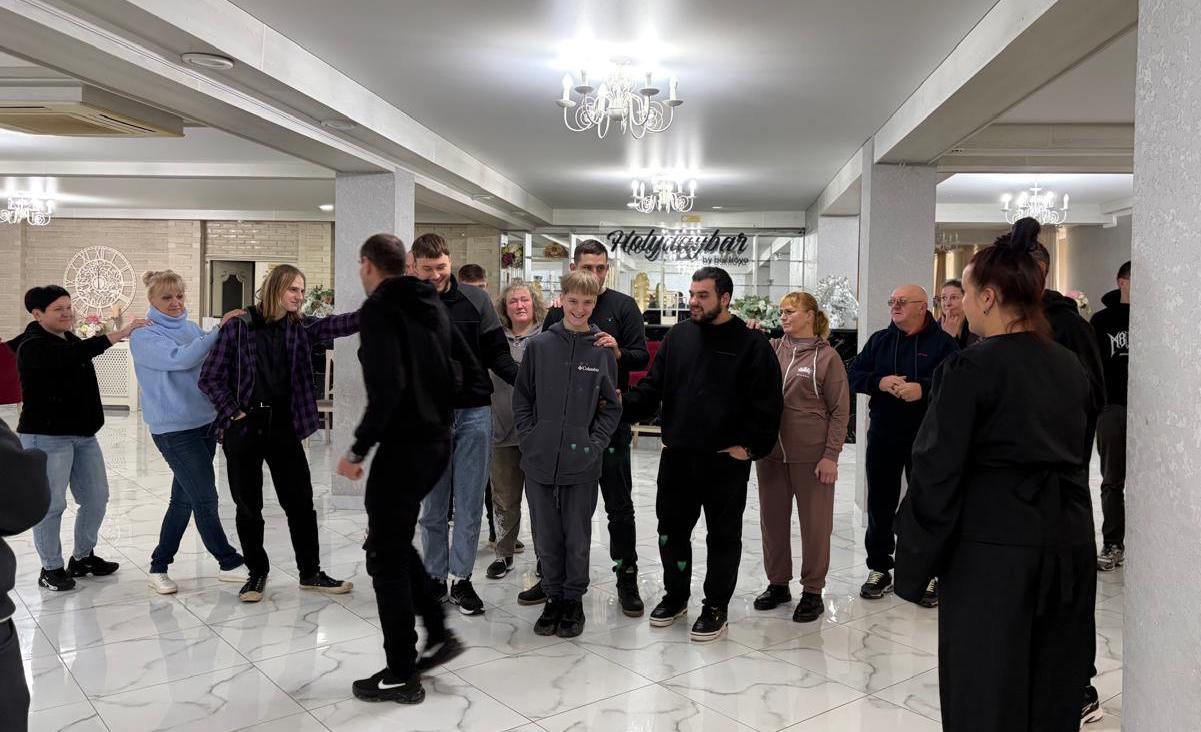
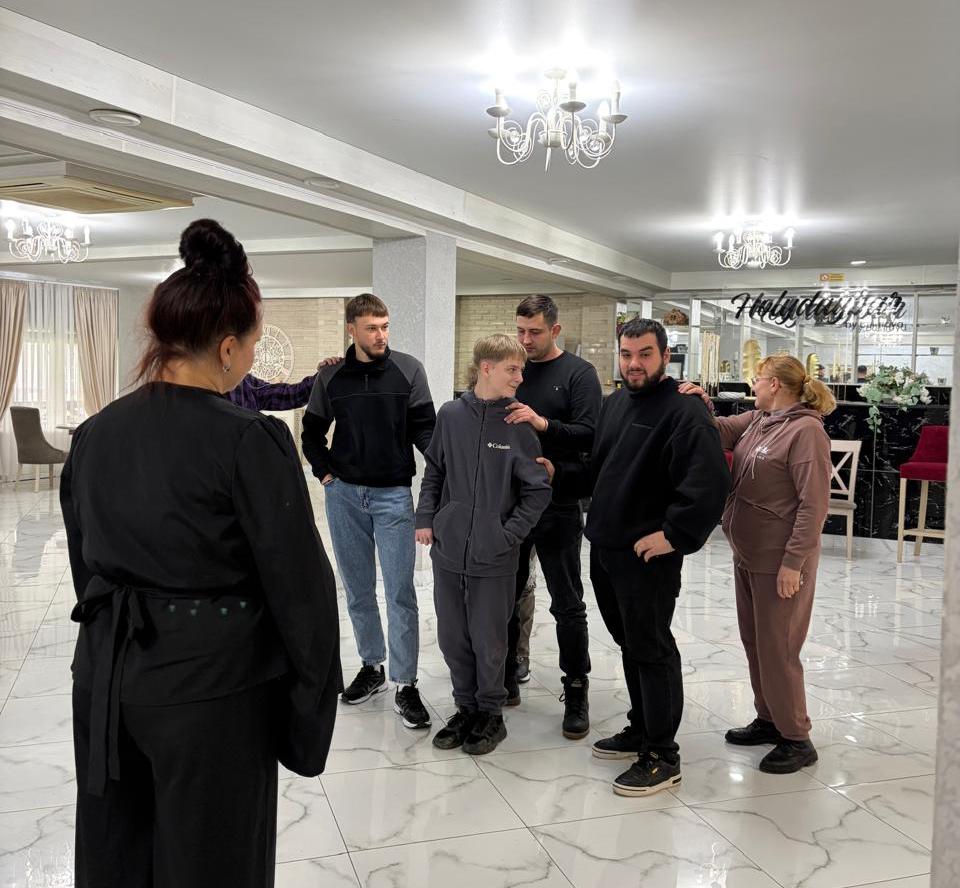
A practical training session entitled «The Architecture of Balance: Self-Regulation Skills for Everyone» took place on 1 November in the village of Revakivtsi, Chernivtsi region. The event aimed to support the mental health of internally displaced persons (IDPs) and residents of the Nepolokivtsi community.
The event was organized by the Charitable Organization «Bukovynian Center for Rehabilitation, Palliative Care and Restorative Treatment» as part of the project «Discover Yourself: Building Stress Resilience and Improving the Mental Health of IDPs in the Nepolokivtsi Territorial Community».
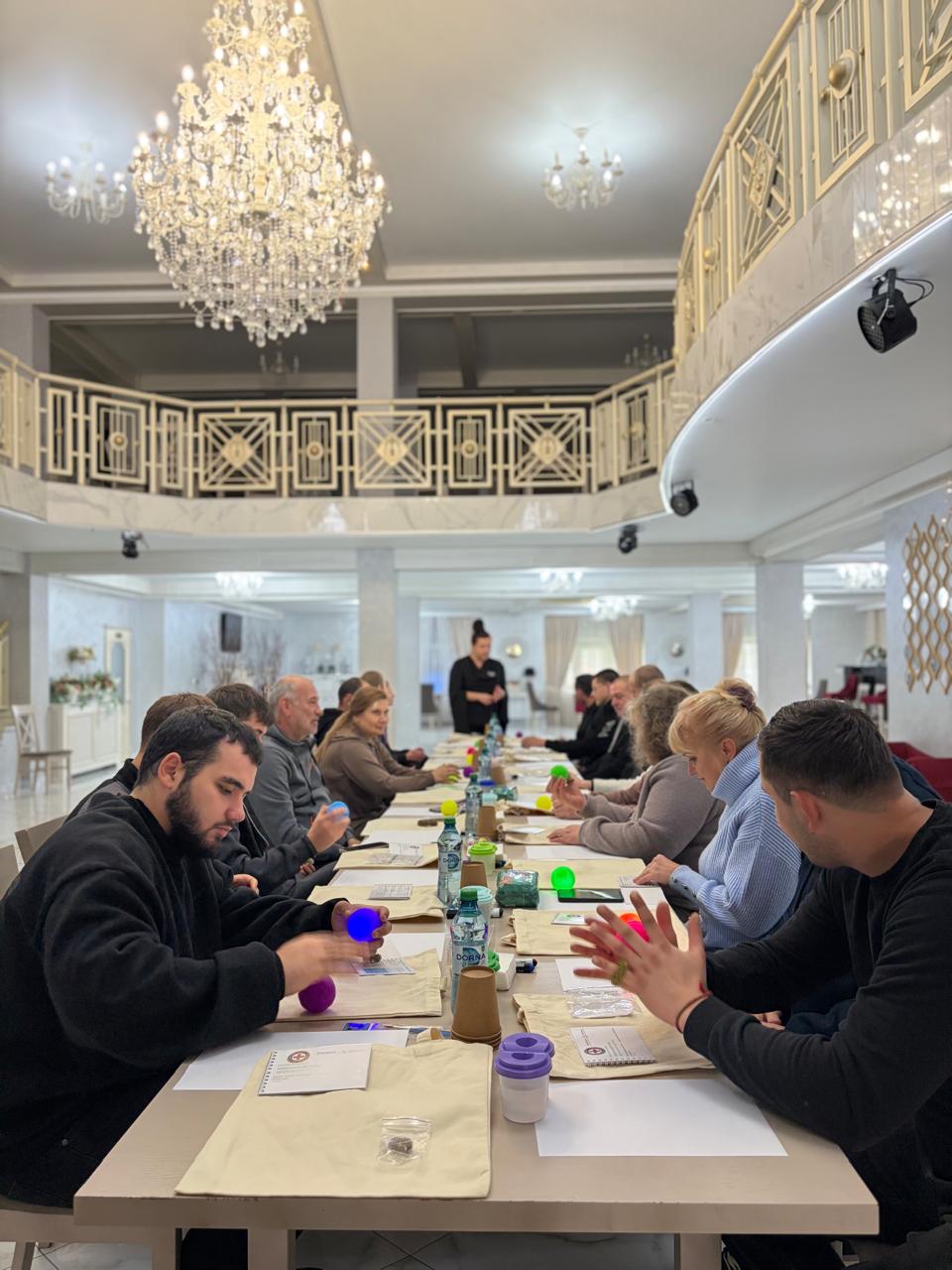
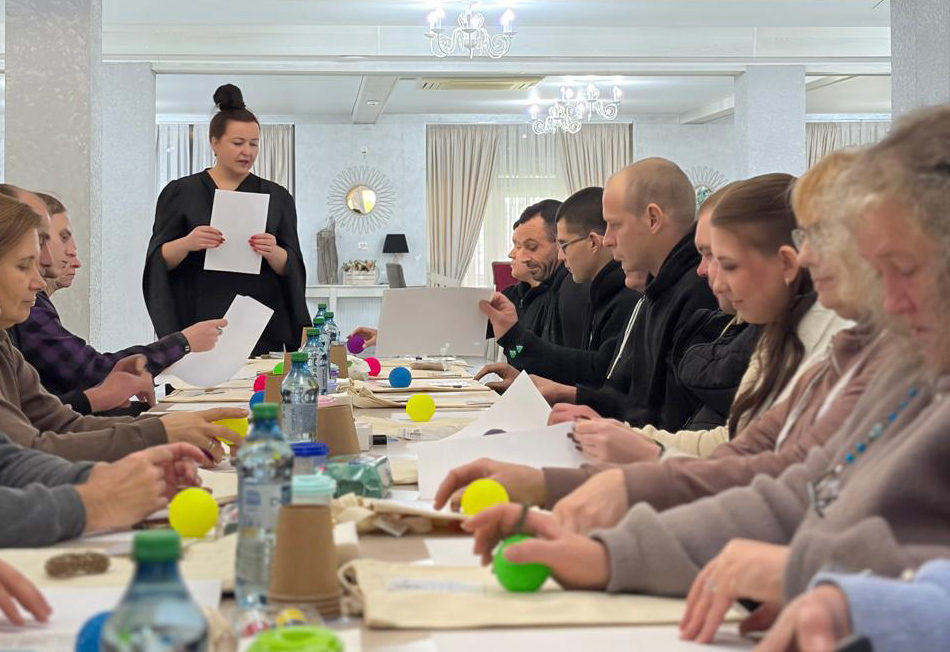
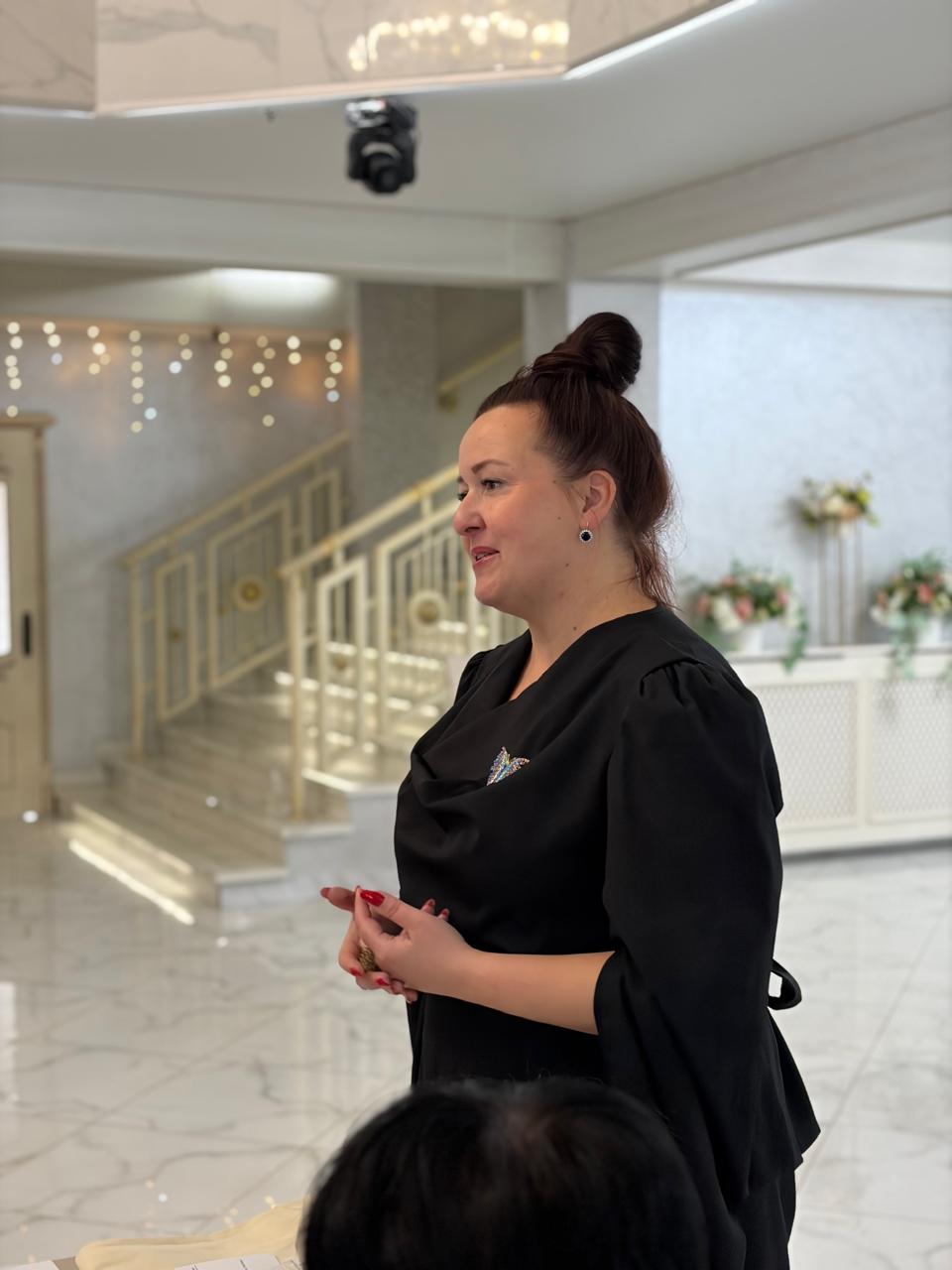
The training was led by Nataliia Tsymbaliuk, PhD in Psychology, counseling psychologist and trainer. During the practical sessions, participants explored how the nervous system responds to stress and learned breathing and grounding techniques, including Box Breathing and the «5-4-3-2-1» grounding exercise, which helps bring attention back to the present moment. They also practiced Jacobson’s Progressive Muscle Relaxation and explored ways to improve sleep and reduce anxiety.
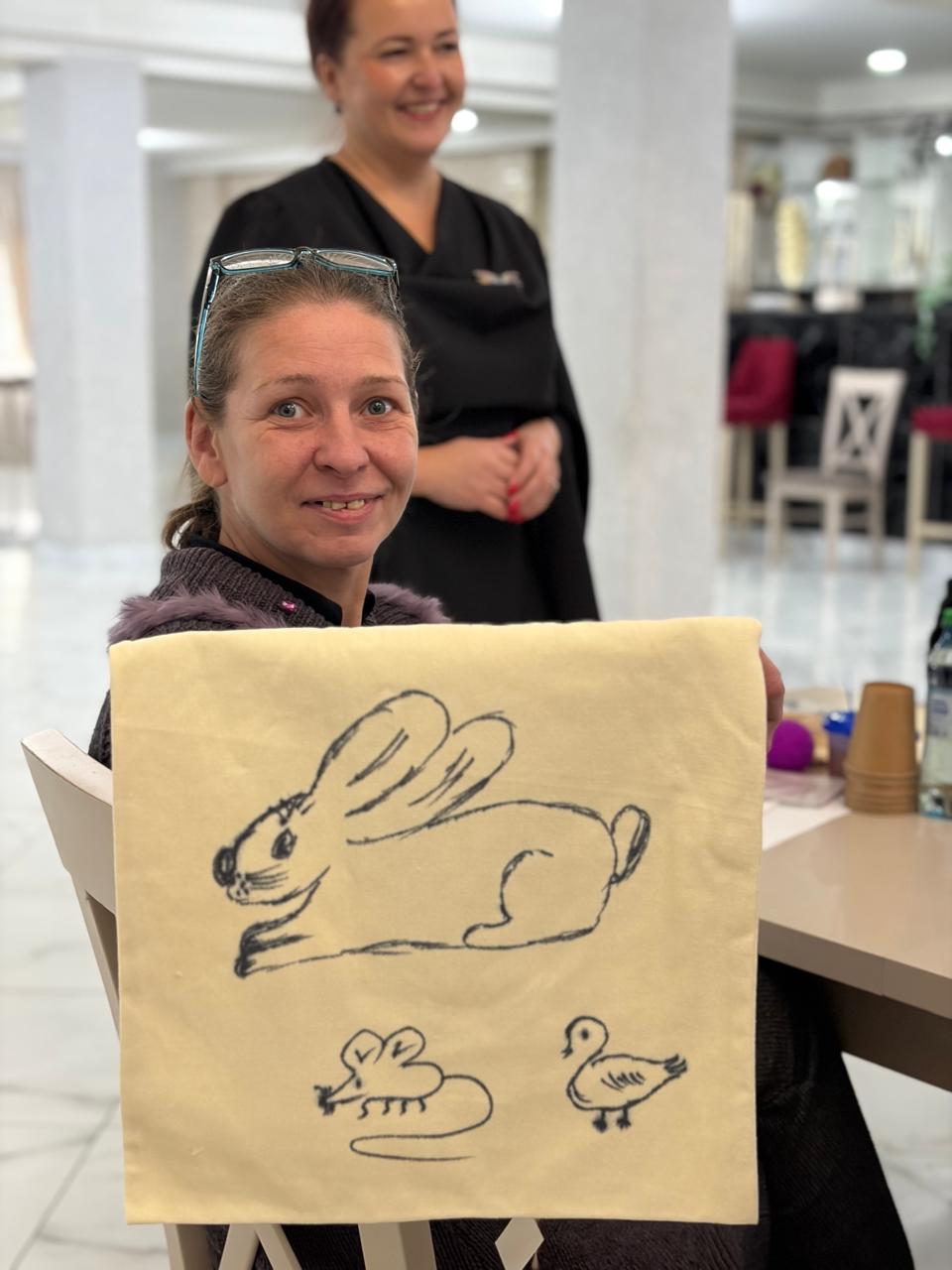
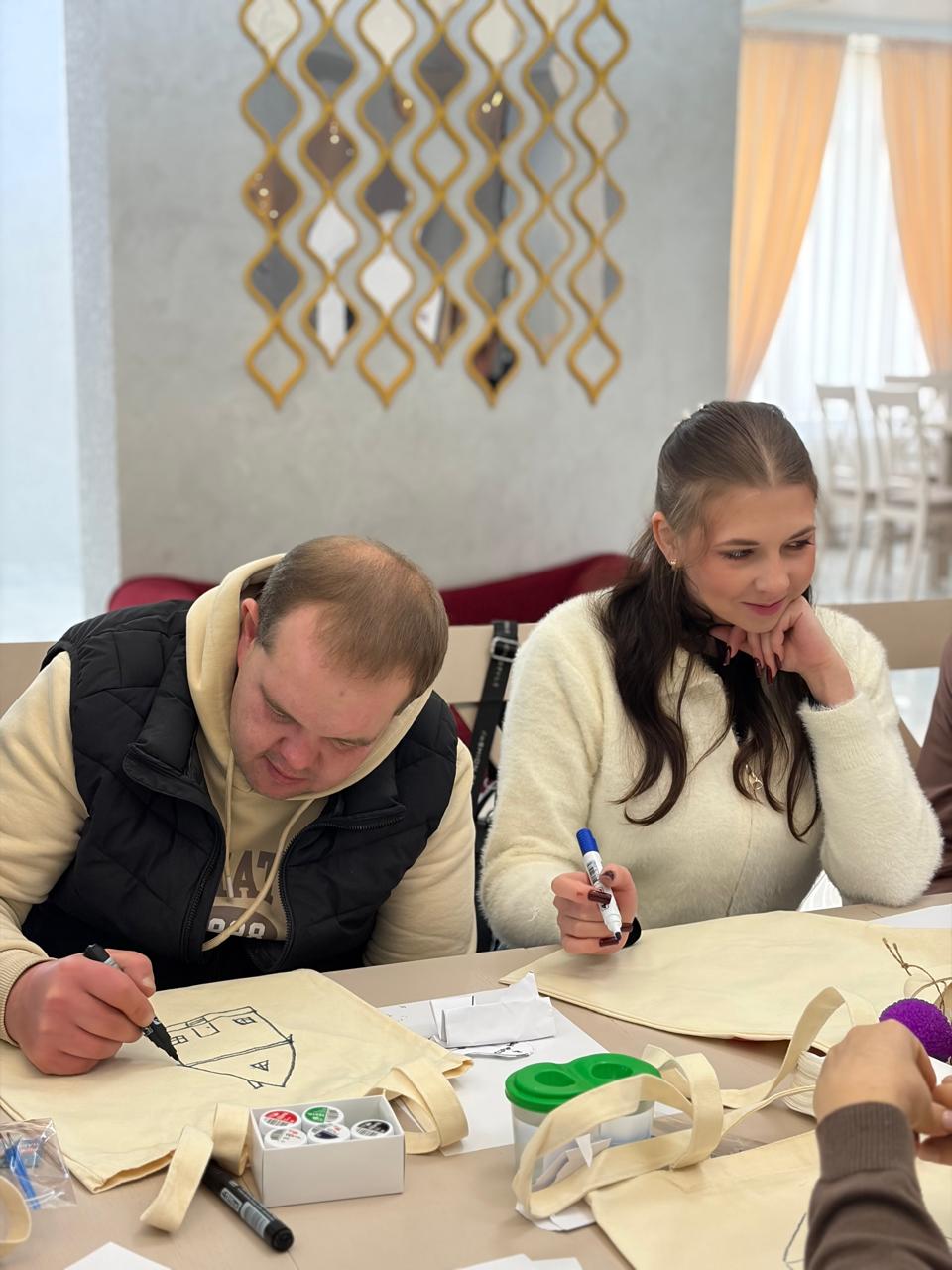
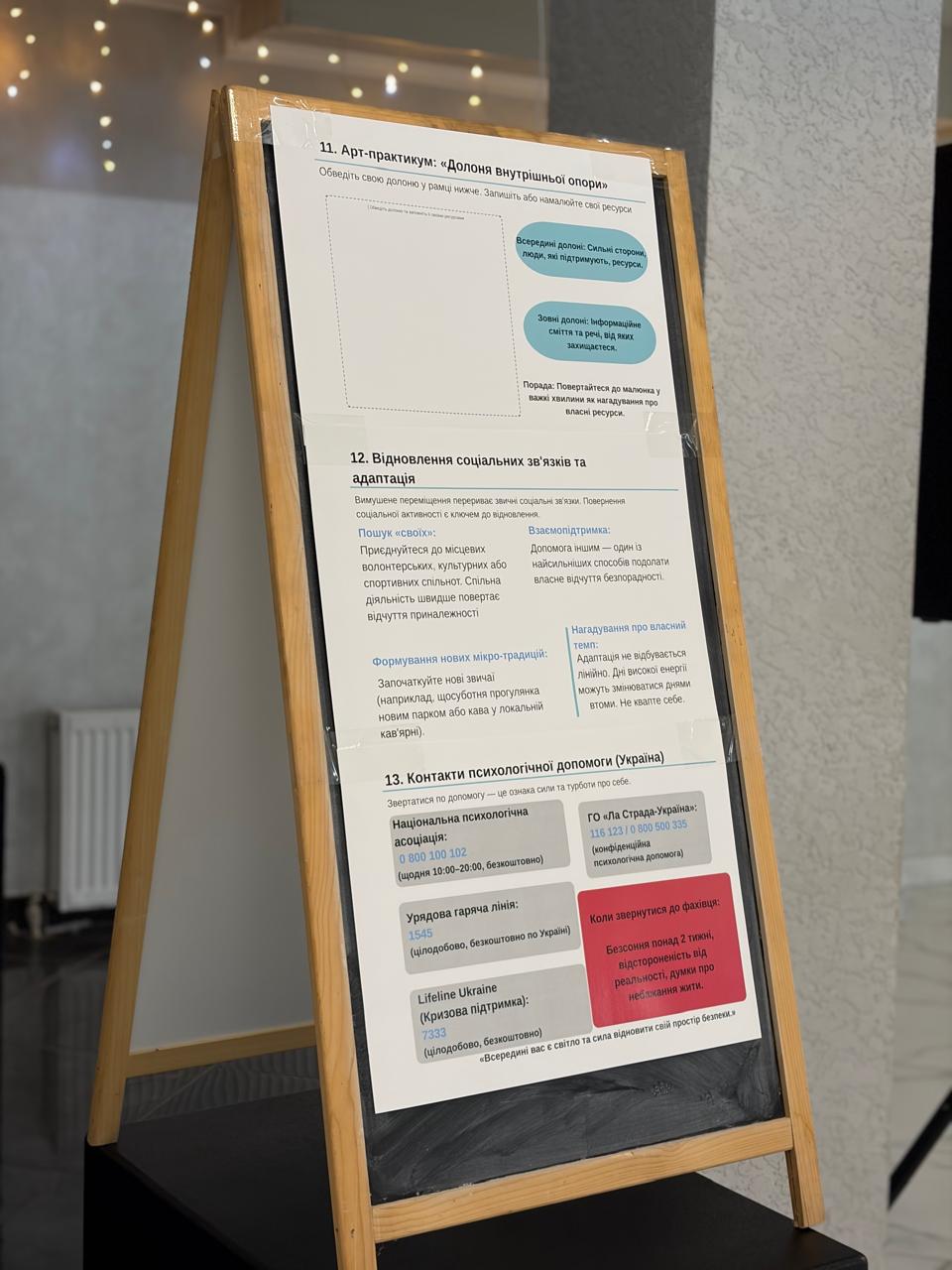
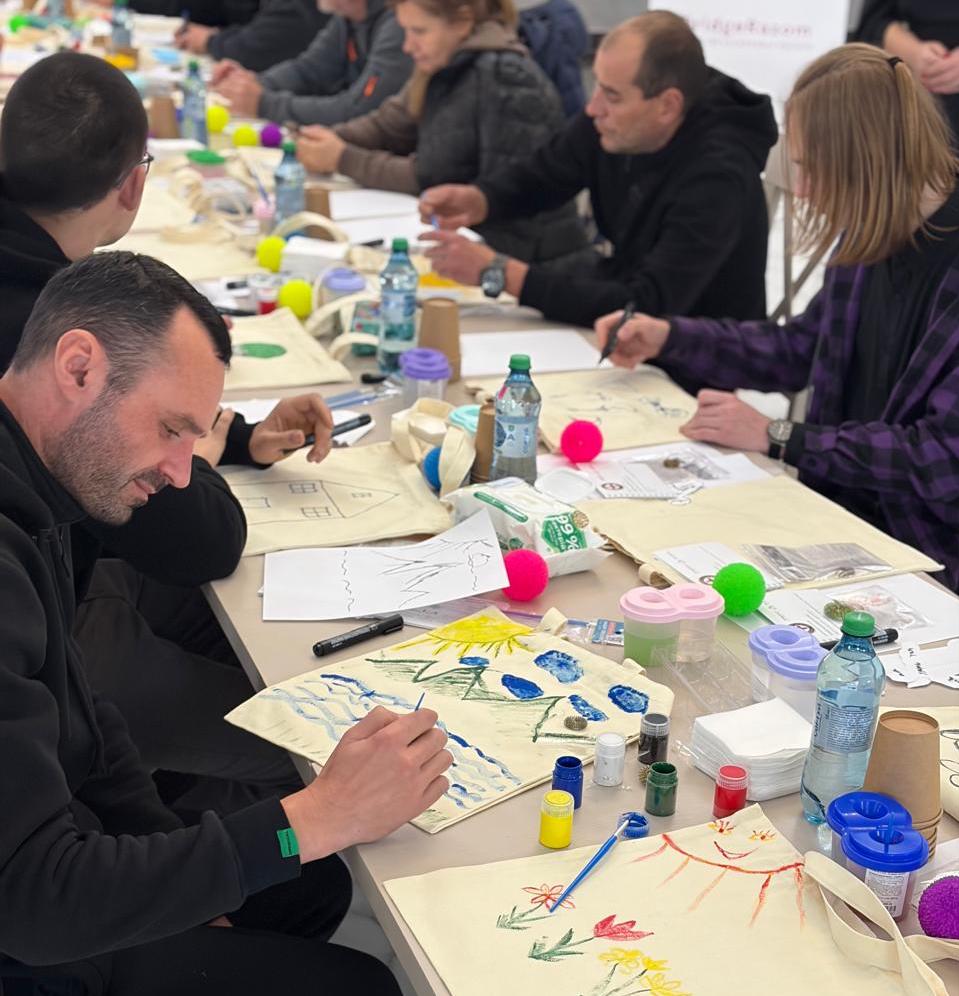
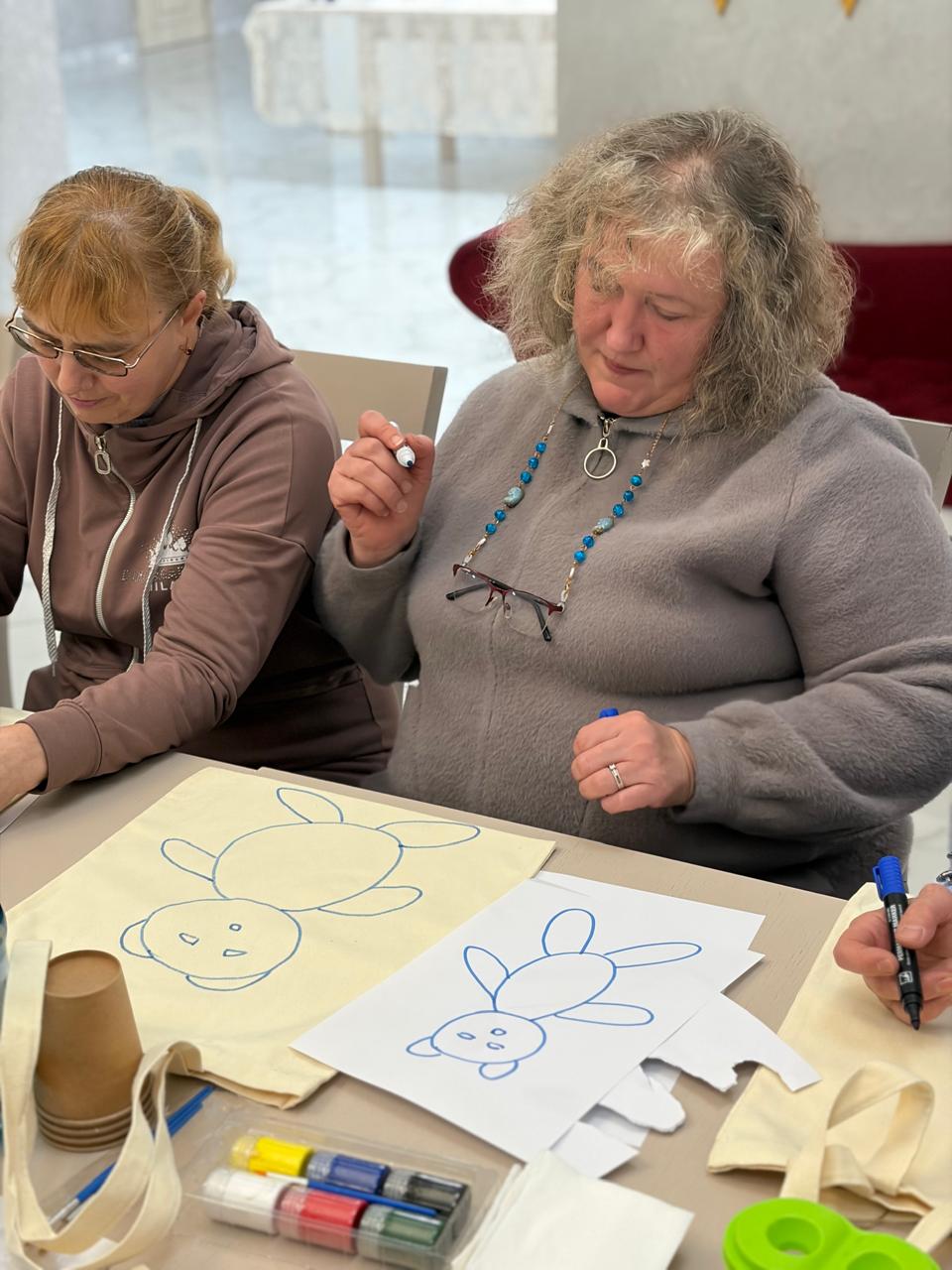
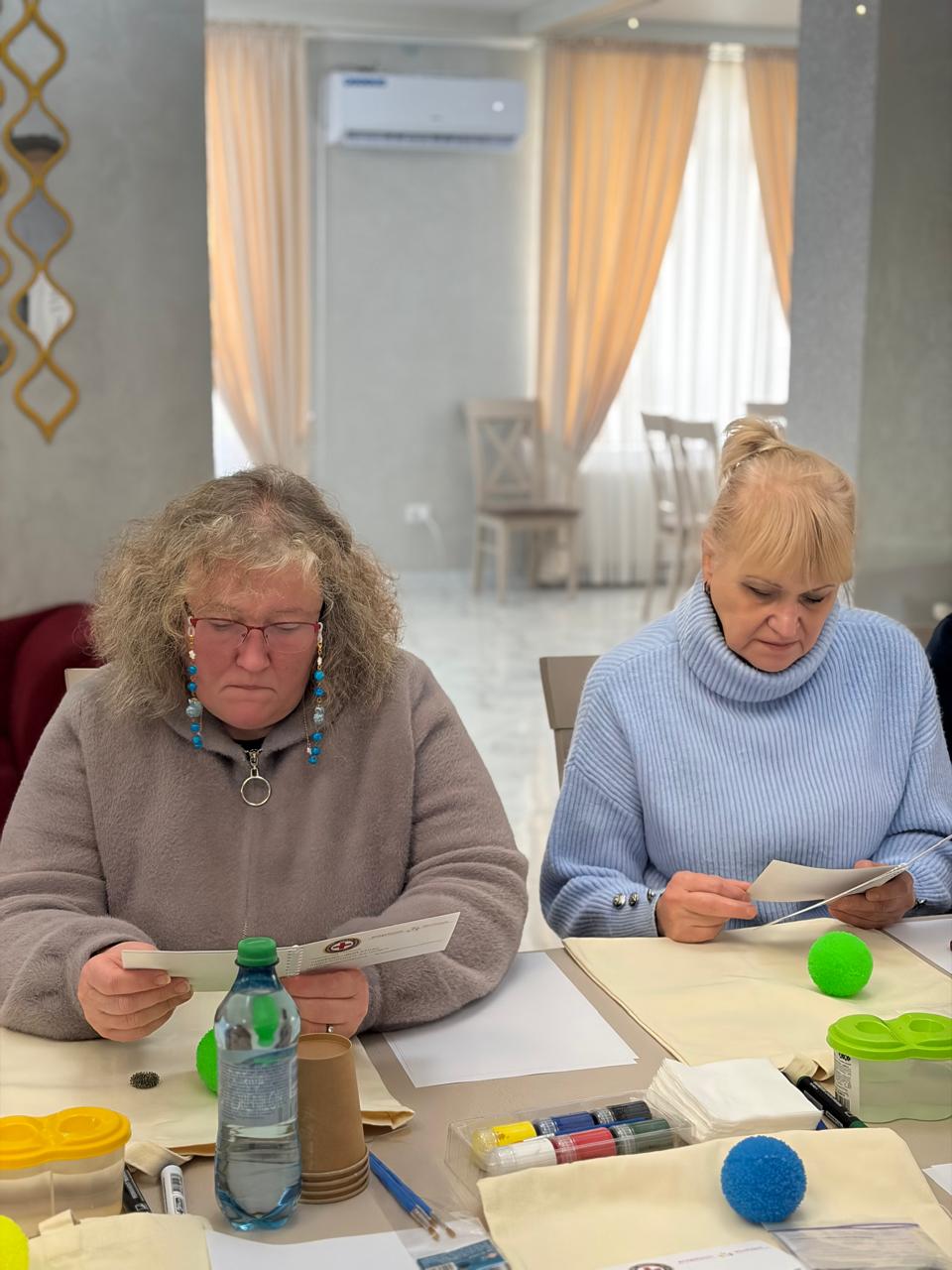
Particular attention was paid to cognitive stabilization and information hygiene. Participants learned to distinguish anxious assumptions from objective facts and explored their inner resources through art therapy exercises entitled «My Little Island of Safety» and «The Palm of Inner Support».
Another important part of the session focused on social adaptation, mutual support and opportunities for integration into community life. Participants were also provided with contact details for free nationwide psychological support helplines.
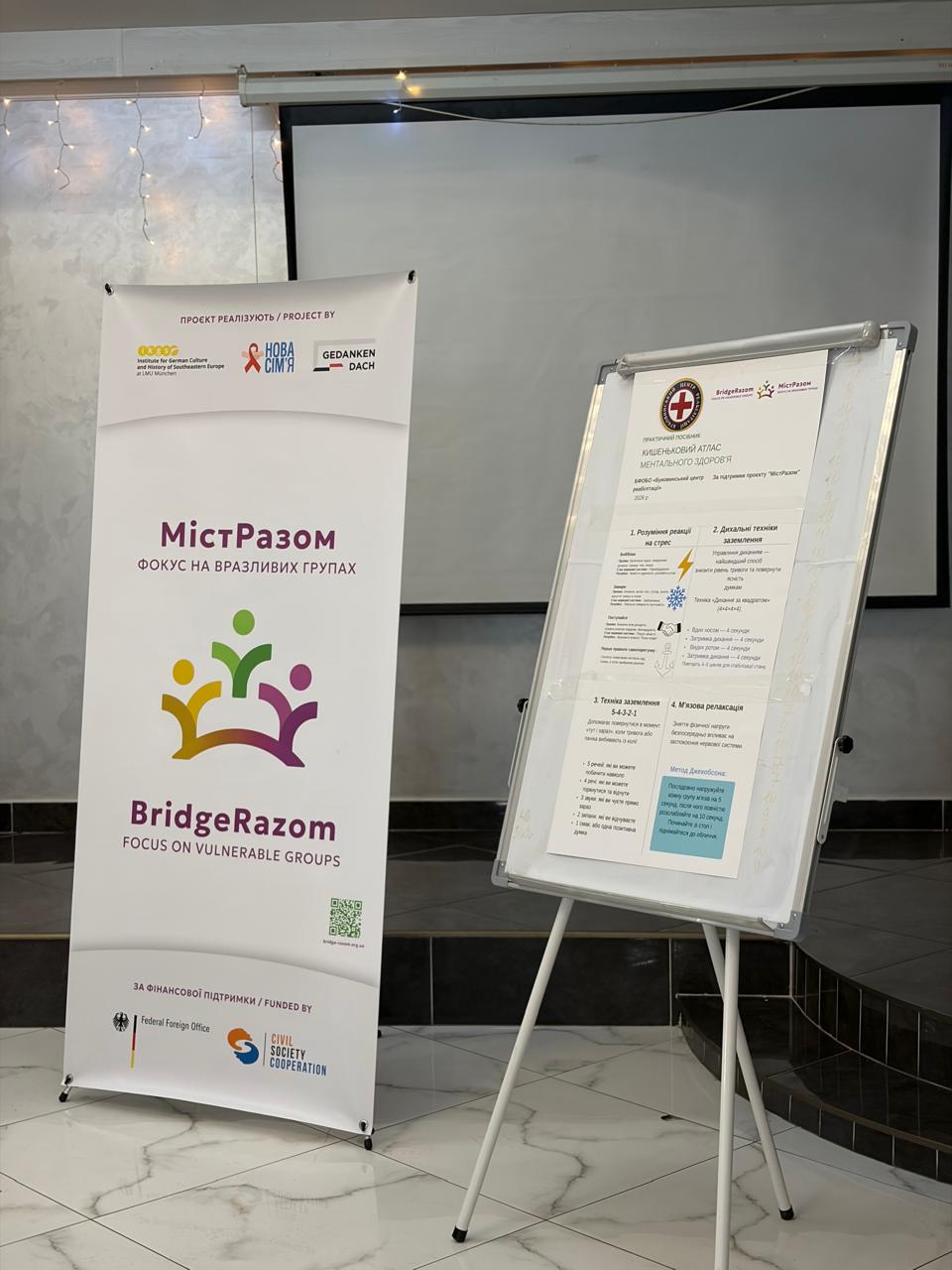
Each participant received a printed guide titled «Pocket Atlas of Mental Health», developed by the charitable foundation with support from the BridgeRazom project. The guide includes step-by-step instructions for the exercises, breathing diagrams, evening checklists, art therapy activities and contact details for professional support services.
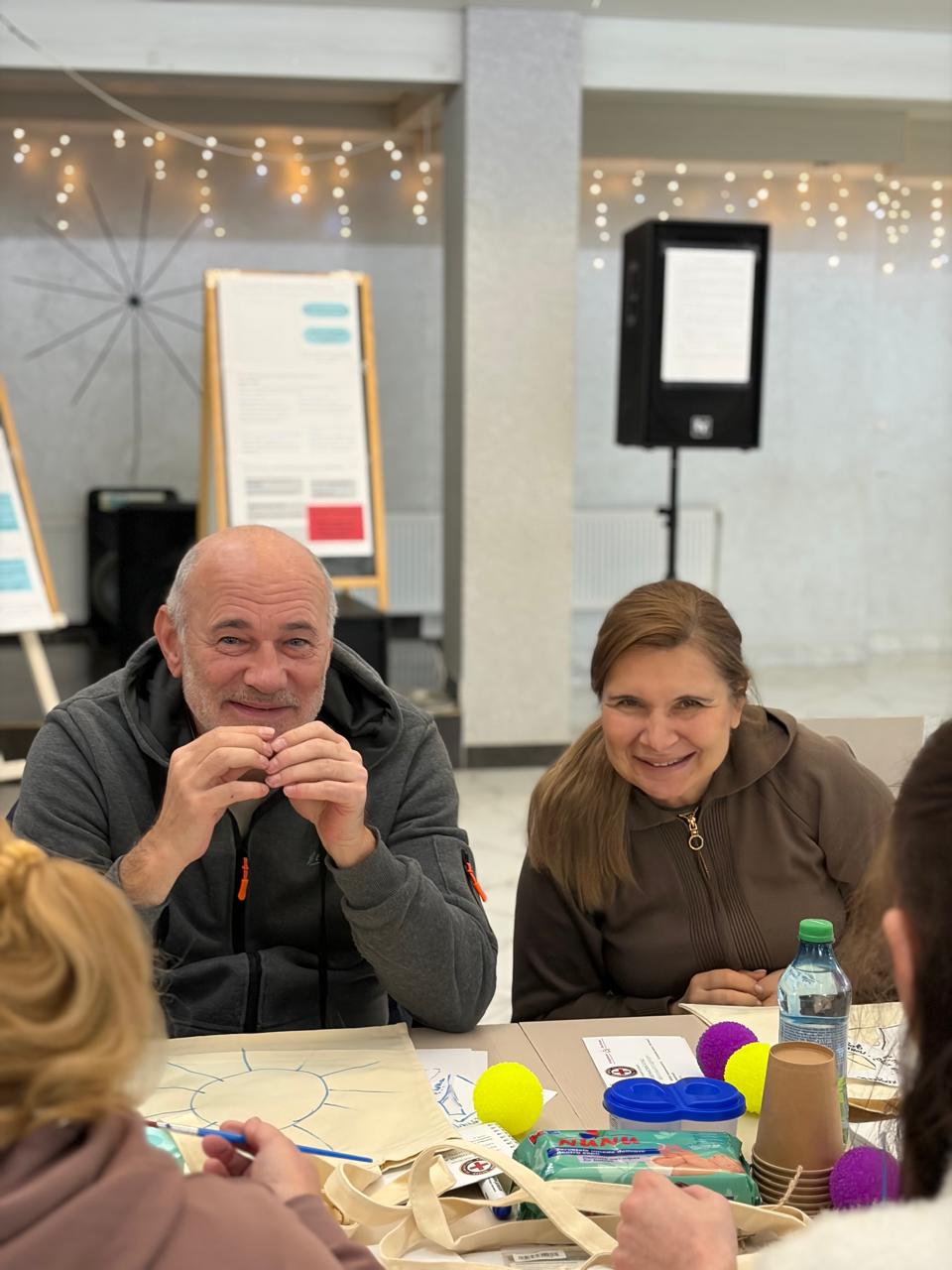
As a result of the training, participants gained a deeper understanding of their own responses to stress, acquired practical self-regulation tools and identified personal sources of support. The joint activities involving internally displaced persons and local residents also encouraged open dialogue, helped establish new neighborly connections and strengthened social cohesion within the community.
Photo report